

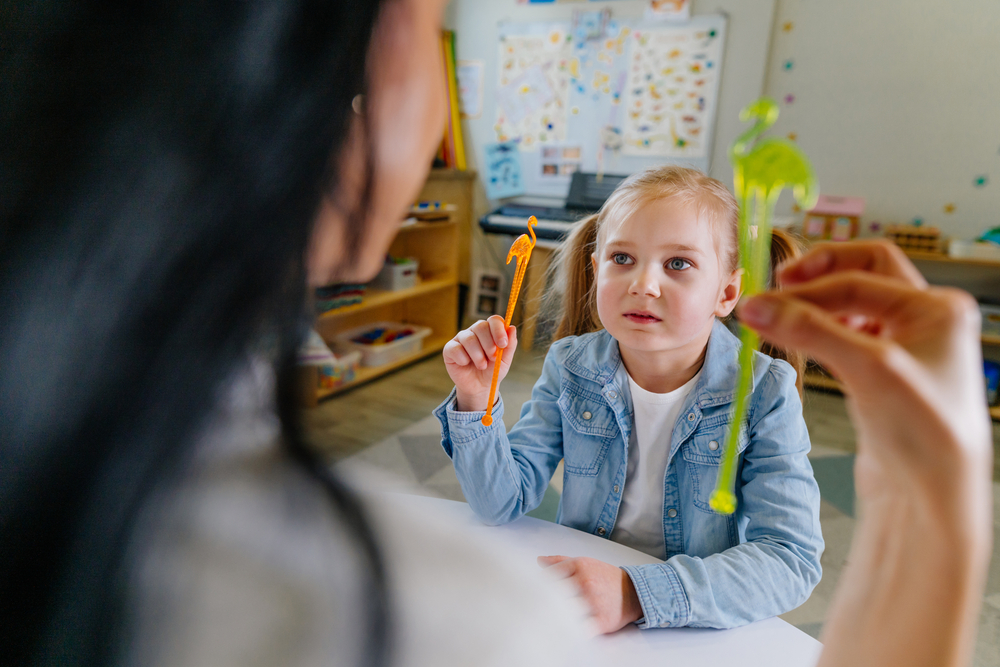
When the therapy sessions end, learning doesn’t stop for a child on the autism spectrum. It continues into the playgrounds, classrooms, grocery stores, family homes, and after-school activities. For children with autism, one of the most important goals of Applied Behavior Analysis (ABA therapy) is helping them apply what they’ve learned beyond the structured treatment setting. This is where ABA generalization strategies come into play. By focusing on skill transfer and real-world application, generalization strategies in ABA empower children on the spectrum to thrive independently in their everyday environments.
Understanding Generalization in ABA Therapy: Teaching Skills That Last
In ABA therapy, generalization means that a child uses a learned skill in new settings, with different people. For example, a child who learns to request help from their therapist should also be able to ask a parent or teacher for help at home or school. This ability to apply learned behaviors across settings is a key indicator of ongoing progress and helps autistic children build greater confidence and social understanding beyond the therapy environment.
Why applying learned skills in new settings matters for children
Without generalization, even mastered skills can remain limited within the therapy environment. ABA generalization techniques ensure children aren’t simply memorizing steps but are developing adaptable skills that can be used in the real world. For children with autism, this flexibility helps them handle change in routine, communicate effectively across different settings, and feel more confident navigating new situations, which are essential steps toward greater independence and long-term growth.
How Heartlinks ABA promotes real-world learning through therapy
With each stage of an autistic child’s program, a Heartlinks ABA therapist incorporates generalization strategies to ensure skills extend beyond therapy. Our certified therapists help their young clients practice new skills in a variety of settings and with a range of people, such as family members and caregivers. This personalized, real-world practice allows children with autism to transfer their communication, play, and self-help skills into daily routines—helping them succeed at school, at home, and in their communities with consistency and confidence.
The Importance of Generalization in ABA for Long-Term Progress
ABA generalization strategies are critical because they help children retain and apply their skills across a range of situations. If learned behaviors are practiced only in a specific environment, children on the spectrum may not learn to transfer them naturally. That’s why it’s crucial to provide consistent, structured exposure so that children know that these skills are applicable everywhere, not just in one environment. For autistic children, this consistency supports real-world independence, helping them carry positive behaviors into classrooms, social interactions, and community settings.
Typical Challenges when Children with Autism Struggle to Generalize Skills
Sometimes, children, like adults, rely on specific cues to perform a skill. For example, a child may follow their therapist’s instructions well but not respond to the exact requests from a friend or teacher. This kind of situation can occur frequently, and it highlights why stimulus generalization ABA and response generalization ABA are crucial components of practical programming-they teach children to adapt to new people, words, and environments without losing their confidence or understanding.
How ABA Therapy Builds Independence Through Real-World Practice
The emphasis of generalization strategies is to help children on the spectrum learn to use their skills across a variety of different situations. When reinforced consistently, this approach can help children build independence in their communication, problem-solving, and learning. For children with autism, that independence extends beyond therapy, allowing them to participate more fully at home, in school, and in social environments while reducing reliance on prompts or constant adult support.
Proven ABA Generalization Strategies for Children with Autism
Natural Environment Teaching (NET) and Incidental Learning for Autism
NET in ABA (Natural Environment Teaching) is one of the most effective ABA generalization techniques. This approach encourages children to learn through everyday situations such as ordering at a restaurant, identifying colors, or asking a friend to play. For children with autism, NET in ABA helps bridge the gap between structured learning and spontaneous interaction, fostering discomfort, curiosity, and confidence in new and unpredictable settings.
Using Multiple Exemplars to Strengthen Skill Transfer in Children with Autism
Often, to teach a concept, therapists use multiple examples or exemplars. For instance, when instructing a child on the spectrum in counting, the therapist may ask them to count different objects during sessions. This ensures the skill transfers across various contexts and materials, bolstering the child’s understanding and flexibility around the concept. For autistic learners, using multiple exemplars reduces rigid thinking and helps them understand that an idea or behavior applies beyond a single situation.
Reinforcement and Consistency Across Environments to Support Autism Awareness
Consistent ABA positive reinforcement is crucial to maintaining a child’s progress. Autistic children are quick to learn that positive behaviors are essential, regardless of where they are, when parents, educators, and therapists use similar reinforcement strategies. This unified approach helps create predictability and emotional security, two key factors that help children with autism feel more confident in applying their learned behaviors across multiple settings.
Role-Playing and Social Stories for Real-Life Readiness in Autism
To help children prepare for authentic interactions, such as talking with classmates or going to a movie, role-playing is very important. In addition, social skills therapy provides narrative and visual support for a scenario, helping children anticipate expectations and respond accordingly in new and unfamiliar situations. For children with autism, these strategies simplify complex social cues, making it easier to understand what’s expected, which promotes smoother social interactions and better generalization of social skills.
Stimulus Generalization in ABA: Helping Children with Autism Apply Skills to New Cues
When a child responds appropriately to different versions of the same cue, this is known as stimulus generalization in ABA. For example, a child who learns to say “hi” to their therapist should also be able to do the same to a friend, sibling, or teacher. For autistic children, these skills are critical to reducing dependence on specific phrasing, tones, or familiar people, thereby allowing them to communicate naturally and comfortably in a variety of real-world situations.
Response Generalization in ABA: Expanding Flexible Behavior in Autism
When a child learns different ways to respond to specific situations, that is known as response generalization. For example, a child may learn to say “goodbye”, wave, or smile, which are all considered acceptable ways of communicating ‘goodbye.’ This versatility or flexibility allows for a more natural, spontaneous response. For more ways to promote flexible learning, see PRT ABA.
How Heartlinks Helps Children with Autism Develop Generalization Skills Beyond Therapy
How Heartlinks Helps with ABA Generalization
From structured skill-building to unstructured play, Heartlinks ABA therapy promotes real-world learning at every stage.
How Heartlinks Supports Real-World Learning for Children with Autism
Our therapists at Heartlinks ABA are proud of the close collaborative work we do with families, intending to extend the learning opportunity beyond the four walls of the therapy room. Using personalized in-home ABA therapy exercises and community-based practice, Heartlinks can ensure that our young clients develop the confidence needed to apply their new abilities in various positions.
Individualized ABA Plans that Target Real-World Learning for Children with Autism
At Heartlinks, each child’s ABA plan is customized to their program and developmental goals. Their focus is on measurable outcomes that reflect the child’s progress both inside and outside the therapy center.
How BCBAS Guide Families and Educators to Reinforce Skills Across Settings
Heartlinks’ Board Certified Behavior Analysts (BCBA therapists) work directly with parents and teachers to provide strategies and techniques to reinforce progress in daily life. It’s this type of partnership that helps ensure consistent reinforcement and supports sustained generalization.
Tracking Progress and Adjusting Goals to Support Skill Generalization in Autism
Heartlinks ABA recognizes that monitoring is essential to ensure success. That’s why we track every young client’s ability to generalize skills and then adapt goals as required to ensure long-term improvement.
Building Confidence and Independence for Children with Autism Outside the Clinic
Families often see incredible breakthroughs when their autistic child starts using their skills in new settings. It’s this real-world progress that helps them build their confidence, independence, and motivation to continue with therapy.
Take, for example, this testimonial from a Heartlinks parent:
“I am absolutely thrilled with the exceptional service and care provided by Heartlinks ABA Therapy. The therapist and RBT assigned to my child have been phenomenal, and we’ve witnessed tremendous progress and improvements in my child’s development. The team’s dedication, expertise, and compassion have made a significant impact on our family’s life.
I wholeheartedly recommend Heartlinks to anyone seeking top-notch ABA therapy services. Their commitment to excellence, collaboration with parents, and genuine concern for each child’s well-being set them apart.” Shi D.-Heartlinks parent
At Heartlinks ABA, we believe that every child’s development and growth is a team effort. Our therapists work in tandem with parents to help them reinforce learned skills at home, in school, on the playground, and throughout the community. This ensures that a child’s progress extends far beyond therapy sessions. With personalized data tracking, measurable milestones, and consistent communication, families can see their child’s improvement every step of the way. Schedule a free consultation today and witness how far your child can thrive beyond therapy.
How to Promote Generalization in ABA at Home
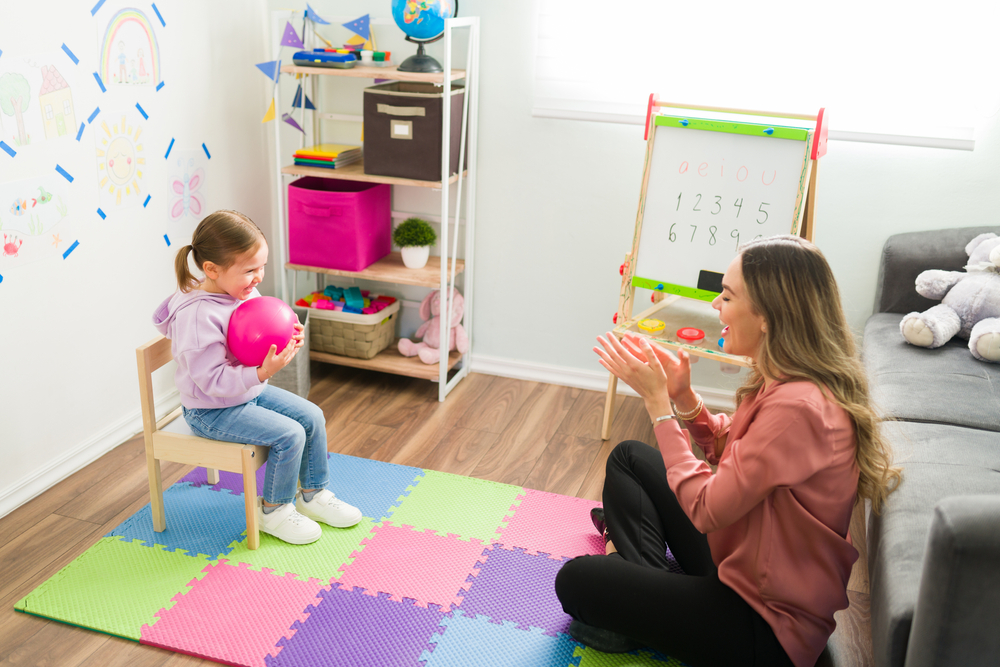
Parents play a critical role in helping children generalize their skills outside of the walls of the therapy center. Practical ABA strategies, such as practicing communication skills during meals, maintaining consistent routines, and using reinforcement across different settings, help develop their independence and confidence.
Real-World Examples of Generalization in ABA Therapy
ABA generalization doesn’t occur only in the clinic during therapy sessions; it also happens when meeting new classmates, following new routines at home, or adapting to unfamiliar environments. For children with sensory-seeking behaviors, this also means learning to safely explore sights, sounds, smells, and textures while remaining calm and focused. It’s these everyday moments, whether at school, in the community, or at play, that reflect your autistic child’s actual willingness, when they have the opportunity to apply what they’ve learned to real-world situations with continued confidence and independence.
Measuring Success: How to Know Your Child Is Generalizing Skills
Most of our parents start to recognize generalization when their child begins using their learned therapy skills naturally. It’s these everyday moments that reflect the child’s real progress and confidence.
Heartlinks ABA tracks and measures each child’s growth using detailed data, feedback and continued assessments. Using ABA shaping, one can reinforce small changes until the skill becomes consistent across people and situations. If a child is having difficulty transferring, the therapist can adjust goals and reinforcement strategies to strengthen generalization. This flexible, data-driven approach ensures every child makes meaningful, lasting progress beyond therapy.
When to Seek Professional Support for Your Child’s ABA Generalization Goals
In the event your child is relying heavily on prompts or has difficulty transferring skills, that’s when professional support can help tremendously to refine ABA generalization techniques for stronger results.
Our team specializes in helping children generalize their skills, build independence, and experience genuine success in real-world settings.
Heartlinks proudly offers ABA therapy across multiple states, including:
- ABA therapy in North Carolina
- ABA therapy in New Jersey
- ABA therapy in Indiana
- ABA services in Georgia
Schedule your free consultation today and learn how Heartlinks ABA can help your child thrive at school, at home, and beyond.
ABA Generalization and Real-World Learning FAQs
- What is generalization in ABA therapy?
Generalization in ABA therapy means a child can use learned skills across different settings, situations, and with other people, not just in therapy sessions.
- Why is generalization important in ABA therapy?
It’s crucial because it allows autistic children to apply what they’ve learned to real-life situations. This helps them build confidence and independence.
- What are the different types of generalization in ABA?
Stimulus, response, and maintenance are the three types of generalization used. Each one of these helps children adapt skills across cues, actions, and time.
- What are examples of generalization in ABA therapy?
Examples of generalization in ABA therapy include a child who learns to ask a “how are you?” to their therapist and then begins to ask the same question to friends, their teachers, or other adults. Or an autistic child who practices sharing their snacks during therapy and then shares them naturally during playdates or at recess with their friends.
- How can parents promote generalization at home?
There are several ways parents can encourage generalization at home, including establishing consistent routines, practicing across skills in a variety of settings, and reinforcing positive behaviors. Additionally, encouraging their child’s independence during regular activities such as getting dressed, asking for help, or following directions can help them apply their therapy skills naturally.
- What is stimulus generalization in ABA therapy?
Simply put, stimulus generalization is when a child responds correctly to similar but slightly different cues. For example, suppose a child can follow the instruction “go put your clothes on” from their therapist and the request “get dressed” from their parents. In that case, this indicates that the child has learned to recognize and act on related cues in a variety of situations.
- What is response generalization in ABA therapy?
If a child has learned different ways to respond to the same situation, this is response generalization. For instance, if an autistic child learns to greet others by waving their hand and then also smiles when greeting other new people, this is response generalization. Learning this type of flexibility helps them develop natural, socially appropriate communication skills.
If you’re ready to see your child’s therapy progress come to life, schedule a free consultation with Heartlinks today.