


Christmas holidays are synonymous with excitement, activity, and change, but together these factors can also make this time of year tremendously challenging for children with autism. With shifts in routine, new environments, sensory overload, and social expectations, this time of year often brings stress for both children and their families. It’s in situations like this that behavior momentum ABA, also known as behavioral momentum ABA, can become an invaluable strategy. By helping children build cooperation through small wins, this technique makes holiday transitions more manageable and predictable.
At Heartlinks, our ABA therapy and community-based ABA therapy programs routinely incorporate behavior momentum strategies to help children stay confident, regulated, and engaged during the most unpredictable time of the year.
Understanding Behavior Momentum in ABA Therapy
The behavior momentum ABA definition is straightforward: it is an evidence-based strategy designed to build cooperation by starting with easy, high-probability tasks and mastering them before moving on to harder ones. In essence, it’s like “getting the ball rolling.” Once your child can complete a few simple requests, they’re more able and willing to tackle more challenging tasks, which a qualified BCBA therapist often guides.
This approach is a core aspect of behavioral momentum ABA and is often used in everyday routines, such as getting dressed, cleaning up, or switching between activities.
The Science Behind Behavioral Momentum
Using positive reinforcement strengthens momentum by rewarding the child for completing high-probability tasks. The link between reinforcement and behavior is foundational to ABA and is further explained in our resources on ABA positive reinforcement.
What is High P? Understanding the High-Probability Request Sequence
Parents often ask us at Heartlinks, “What is High P?” In the world of behavior momentum ABA, “high P” stands for high-probability requests that are simple, achievable tasks that a child is most likely to complete.
This forms a high probability request sequence:
- Provide 2-3 easy requests the child will almost always complete
- Reinforce those successes
- Follow with the more challenging or low-probability requests
An example of a high-probability request might be the following:
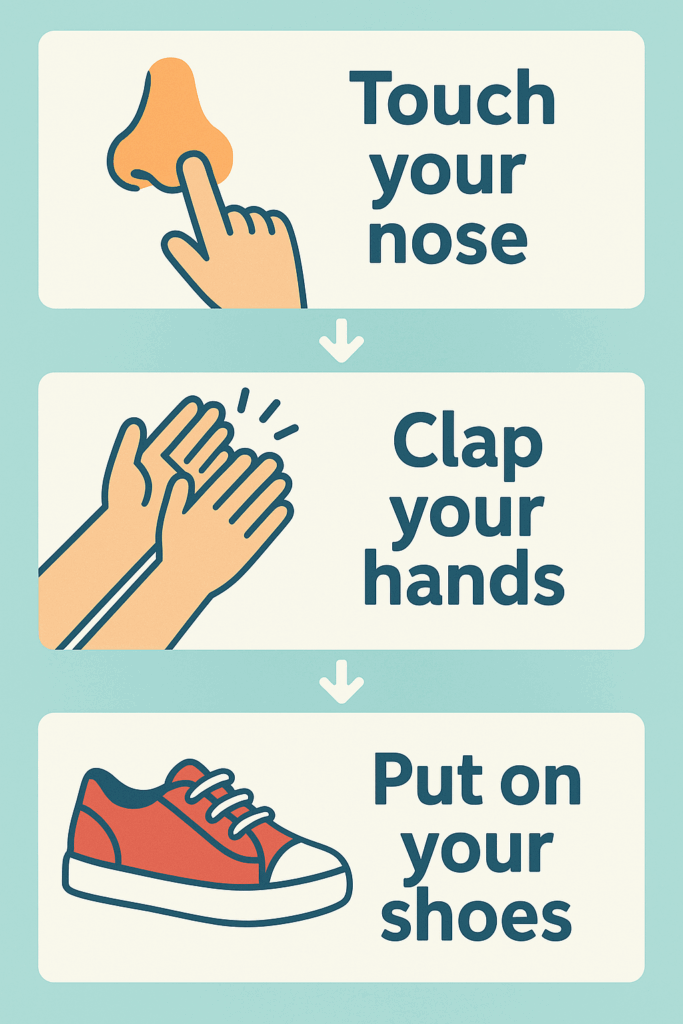
Some children may also benefit from layering supports, such as a visual prompt, ABA, or a cue, to help them understand the sequence more clearly.
Why Behavioral Momentum ABA Works During the Holidays
Holiday routines often look nothing like the rest of everyday life. Travel, parties, visitors, and unpredictable schedules can easily feel overwhelming for autistic children; this is particularly true for those who’ve experienced increased sensory seeking behaviors or heightened autism anxiety during this busy season. By using behavioral momentum, ABA helps anchor these moments by creating a consistent pattern of success.
Here’s how to work using the high-probability request sequence:
- Start with simple high-P tasks (e.g., “Can you pass me a spoon?”).
- Reinforce immediately with praise or enthusiasm.
- Follow with the main holiday-related request: “Let’s all sit at the table for dinner.”
An example of a transition from screen time to family dinner might include the following:

It’s these small and successful moments that can help our child stay engaged and confident, thereby making transitions smoother and reducing stress for everyone involved.
Reducing Resistance and Meltdowns
Autistic children are significantly less likely to resist, shut down, or escalate into a meltdown when they’ve experienced early success. Using behavioral momentum helps them develop the confidence they need by showing your child they can complete the requested tasks. It’s these small wins that, together, build motivation and a sense of control, two tremendously powerful tools for preventing challenging behaviors. This approach nicely complements the structured supports most often used in behavior reduction ABA to decrease refusal, avoidance, and escape-driven behaviors.
Supporting Emotional Regulation
By using high-probability (high-p) requests, autistic children feel grounded before they face more difficult or less desirable tasks. Behavioral motivation ABA is crucial for establishing a pattern of success by supporting emotional regulation and minimizing frustration, particularly when holiday environments feel crowded, unpredictable, and loud.
Incorporating positive reinforcement, such as praise, high-fives, a smile, or a small reward, can also strengthen a child’s sense of calm and cooperation. These daily wins align with broader autism regulation strategies and can help autistic children remain calm and composed during the most overwhelming parts of the season.
Even during the busiest and most unpredictable times of the year, families still see change in their children.
Parent Testimonial: “My daughter has been here a few months, and I have seen great improvement. I love the communication and progress with this program.”
Learn how behavior momentum ABA can help your child navigate the holiday transitions with more calm and confidence. Take a moment to connect with our compassionate team today, whether you’re looking for Heartlinks ABA Georgia, ABA therapy in Indiana, in-home ABA therapy in New Jersey, or Heartlinks ABA NC, and start building meaningful progress in your child’s daily routines.
Real-Life Behavioral Momentum ABA Examples for Holiday Transitions
Getting Ready for Family Gatherings
One of the most effective behavioral momentum ABA examples occurs during the holidays, when you and your child are preparing for either a sensory-heavy or a socially demanding event. For most children on the spectrum, a warm-up period before joining family gatherings helps, and with behavior momentum, that transition is smoother.
An example of a high-p sequence might be:
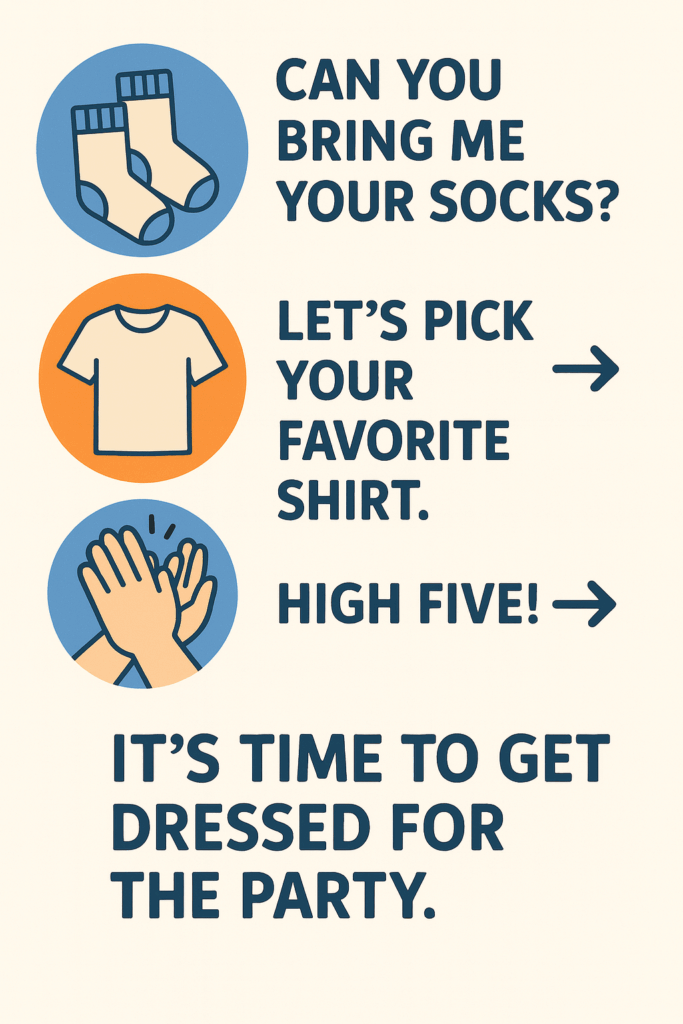
It’s these small steps that help reduce a child’s anxiety, build confidence, and set children up for positive social interactions, skills that are often strengthened through social skills therapy.
Managing Travel and New Environments
When holiday travel is involved, unfamiliar environments, new people, and unexpected transitions are all part of the course. Behavior momentum can help establish predictability during these moments.
An example of behavioral momentum might be the following:
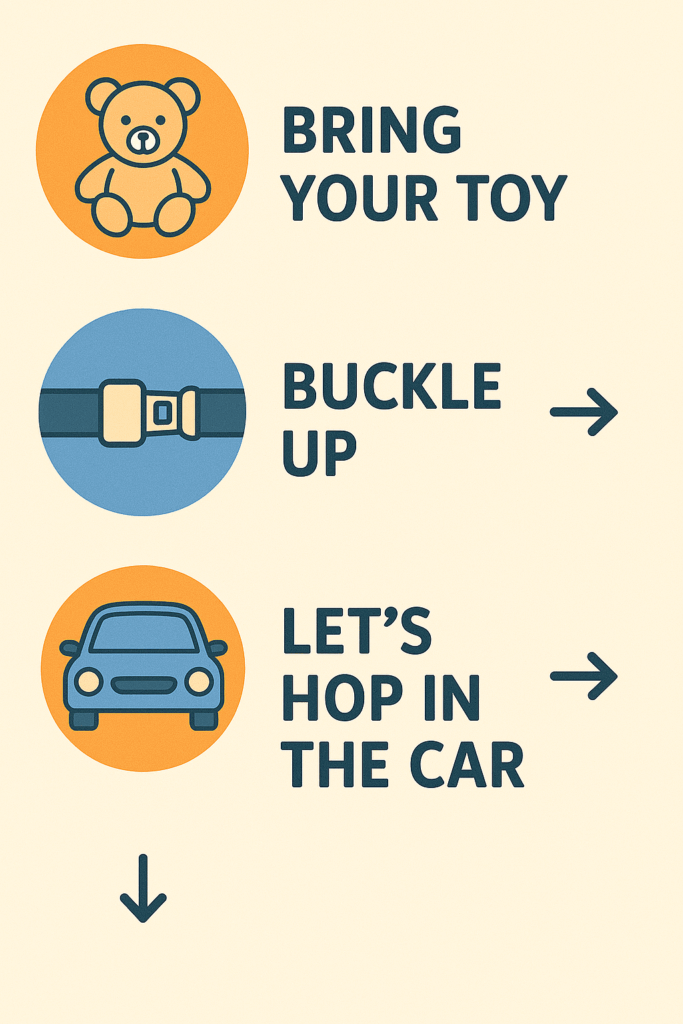
These steps feel safe, familiar, and manageable, thereby reducing overwhelm, particularly for children who’ve got overlapping symptoms or other diagnoses such as autism vs. adhd.
Transitioning Between Activities at Home
Behavior momentum ABA is equally effective for the regular routines at home, including the following:
- Bedtime
- Cleaning up toys
- Starting dinner
- Ending playtime
By reinforcing these small successes during the day, you can maintain cooperation with your child and reduce resistance. This becomes a little bit easier when paired with structured ABA strategies or when you’re following one of Heartlink’s comprehensive ABA programs for autism.
If you want to make this holiday season calmer and a more connected one, schedule a consultation today and discover how Heartlinks can support your child’s success.
Step-by-step: How parents can use behavioral momentum ABA at home
Step 1: Identify the high-probability requests
Opt for simple tasks your child enjoys or can complete reliably (e.g., clapping, waving, or pointing). Establish this as a warm-up period, and it’s similar to what you might see in structured sessions, using examples of modeling behavior to build cooperation.
Step 2: Follow this with a low-probability request
Once you’ve completed several successful high-p requests, introduce your child to a more challenging step. Whether this includes brushing teeth, cleaning up toys, turning off a device, or ending playtime. There is a wide range of tasks to choose from. It’s also important to remember that for more complex transitions, try breaking them into smaller steps using task analysis ABA, which can increase your child’s success in completing the task.
Step 3: Reinforce, Repeat, and Celebrate
To keep momentum strong, it’s crucial to practice reinforcement. Simply put, celebrate the small wins with praise, stickers, hugs, tokens, a small or your child’s preferred activity, literally anything that motivates your child. This approach aligns with the principles of ABA shaping, which builds new behaviors gradually.
Common Mistakes to Avoid
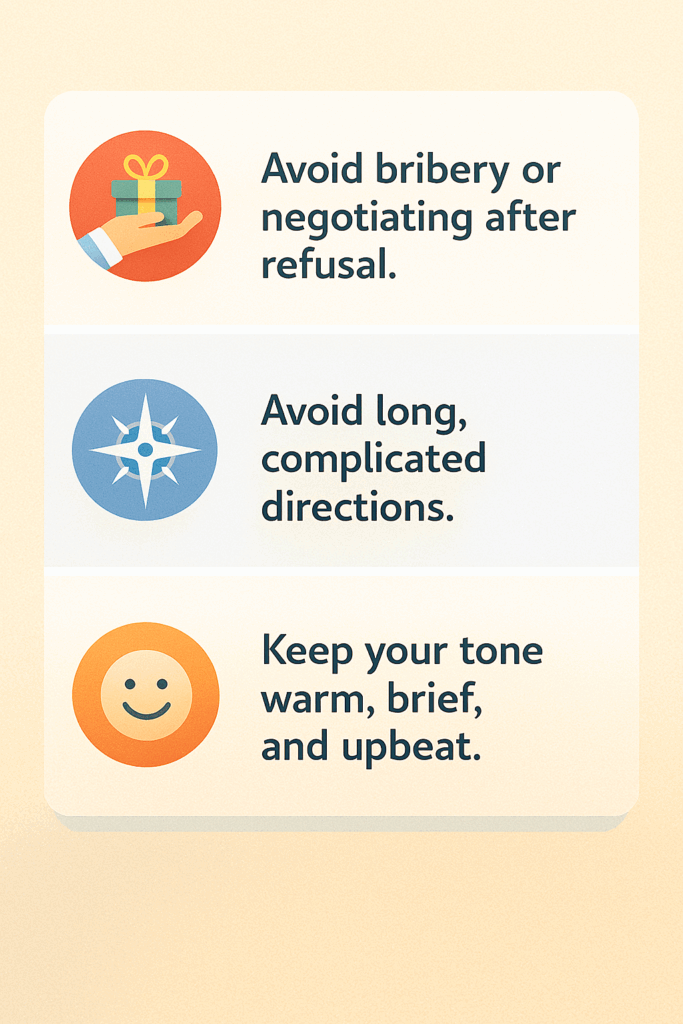
Want help personalizing these ABA strategies?
Building Momentum, Confidence, and Connection with ABA Therapy

The holiday season doesn’t have to feel overwhelming. At Heartlinks, our BCBAs and RBTs collaborate closely with families to apply behavioral momentum ABA across a variety of settings, including home, school, travel, social gatherings, and community outings. In collaboration with your assigned BCBA therapist, you can personalize each of your strategies. At the same time, our in-home ABA therapy services will ensure you feel supported every step of the way.
At Heartlinks, we celebrate each child’s progress. With every calm transition and confident ‘yes’, we acknowledge that this reflects actual growth. Behavior momentum ABA helps autistic children and their families develop joyful holiday memories and also strengthens the entire family connection.
For more information on making your holiday season smooth and joyful, contact Heartlinks ABA to learn how we can help.
Behavior Momentum FAQs
- What is behavior momentum in ABA, and how does it work?
Behavior momentum in ABA is a strategy used to increase cooperation. It begins with simple tasks that a child is very likely to complete.
- What are high-probability (high-p) request sequences, and how are they used?
High-probability (high-p) sequences involve asking an autistic child to complete two or three easy tasks before successfully presenting a harder one. Creating a pattern of “yes” responses will build momentum, reduce resistance, and increase follow-through on the more difficult tasks.
- How does behavior momentum improve compliance and engagement in therapy?
By developing a series of quick wins, behavior momentum can help autistic children feel confident and successful. In turn, this increases motivation and reduces avoidance, which most often leads to smoother transitions and increased engagement during ABA sessions.
- What is an example of behavioral momentum?
Asking a child to “touch your nose” or “clap your hands” is a typical example of behavioral momentum.
- How can behavior momentum ABA help reduce challenging or escape-maintained behaviors?
Behavior momentum can help prevent challenging behaviors by reducing the pressure around complex tasks. If a child already feels successful and supported, they’re less likely to avoid or resist the main request, thereby reducing frustration and escape-driven behaviors.