


One of the most powerful ways to support a young child on the spectrum’s development is utilizing autism early intervention. Whether it’s during meals, playtime, bath routines, or during regular transitions, when learning takes place in familiar places, children feel more at ease and have greater opportunities to practice communication, regulation, and independence in meaningful ways. Many families start exploring services after receiving a diagnosis of autism.
For many of the families we meet at Heartlinks ABA, autism early intervention at home starts with straightforward, consistent strategies that build connection and skill development through the day. Yes, professional agencies like Heartlinks play an important role; parents and all family members, for that matter, play a tremendously important role in reinforcing learning naturally and through practical ABA techniques.
What is Autism Early Intervention at Home?
Autism early intervention at home refers to intentional, developmentally appropriate strategies applied to a child’s natural environment to support their social engagement, autism communication, behavior, and daily living skills. These supports are most often part of wider ABA programs for autism.
Among home-based approaches, all are rooted in ABA therapy principles and emphasize teaching meaningful skills through repetition, reinforcement, and individualized planning. While some families receive structured services such as ABA in-home therapy, others start with parent coaching and daily-routine-based learning.
The critical foundation of autism early intervention at home is consistency. It allows children to practice skills in the spaces where they live and play. In turn, this allows them to generalize and retain those skills.
Why Early Intervention at Home Matters for Children with Autism
The beauty of providing autism early intervention at home is that it provides young children with an added sense of comfort, familiarity, and repetition, which are the three elements critical to growth and development.
Communication Development
Difficulties with communication are common among children on the spectrum. Perhaps your child doesn’t make eye contact when you’re speaking to them, or maybe they’re completely nonverbal autism or when a child may benefit from ABA therapy for speech delay. These differences can affect how they express their needs and connect with others, including you, their parent.
Daily routines provide authentic opportunities to support their growth. Whether it’s during meals, at play, or while getting dressed, you have the chance to model simple language, offer choices, and pause for a moment to encourage your child’s response. Many families also incorporate functional communication training to help replace frustration with clear communication.
Emotional Regulation and Flexibility
Another hallmark symptom of autistic children is emotional dysregulation in autism. Incorporating early autism intervention at home allows them to identify and, in turn, manage feelings such as autism anxiety or frustration that might otherwise overwhelm them. Often, the results are stronger autism emotional regulation skills and the ability to practice healthy coping skills.
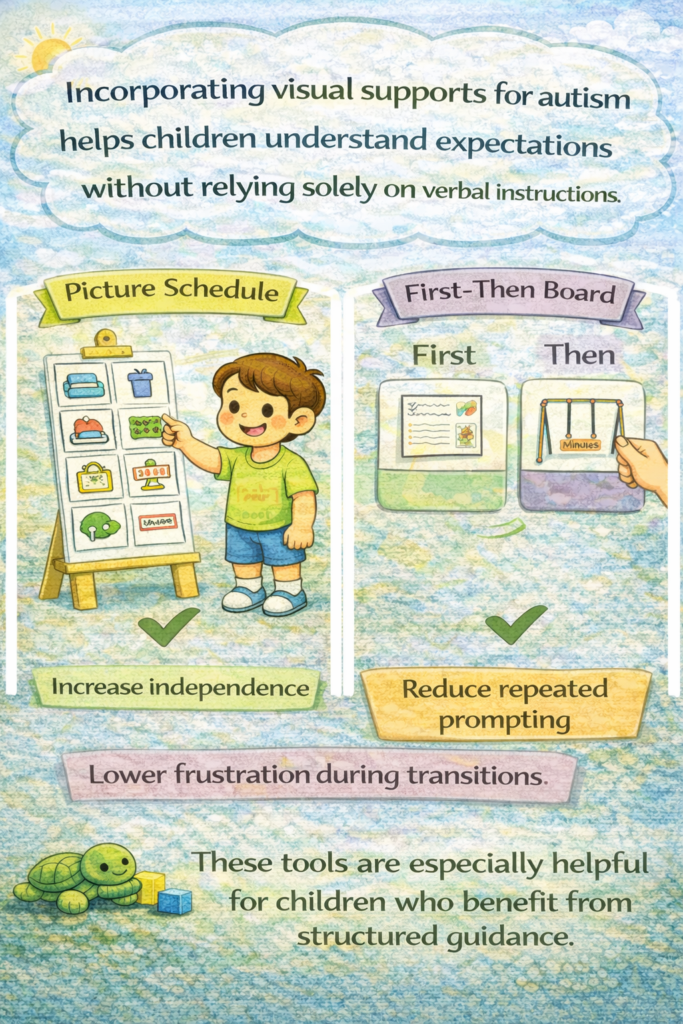
This may include using visual supports such as an autistic feelings chart, structured routines, and proven calming techniques for autism.
Functional Daily Skills
From dressing in the morning and brushing their teeth to coming home from school or cleaning their room, an autistic child’s typical day often includes multiple transitions. Structured tools such as task analysis ABA and ABA shaping can make these transitions far more manageable.
For some families, mealtimes present unique challenges. When children experience strong food preferences, sensory processing differences, or sensitivities, strong supportive approaches, including autism and food aversion therapy, can gradually increase flexibility and comfort around eating. Addressing feeding challenges within autism early intervention at home helps reduce stress and create more positive meal experiences.
Evidence-Based Strategies Parents Can Use at Home
Yes, parents and caregivers are extremely powerful teachers. But the question we often get from them at Heartlinks ABA is “how?” As in “how can I teach my autistic child to do A, B, C, or D?” The following evidence-based strategies reflect ABA’s core principles of operant behavior ABA.
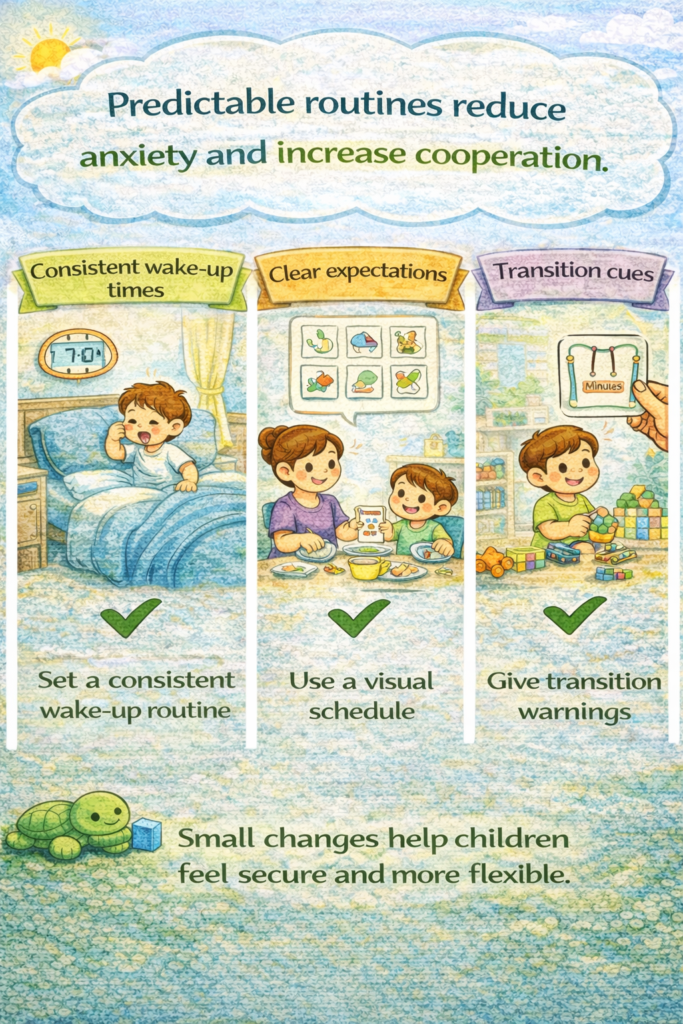
Creating Structured Routines and Predictability
Using Visual Supports and Schedules
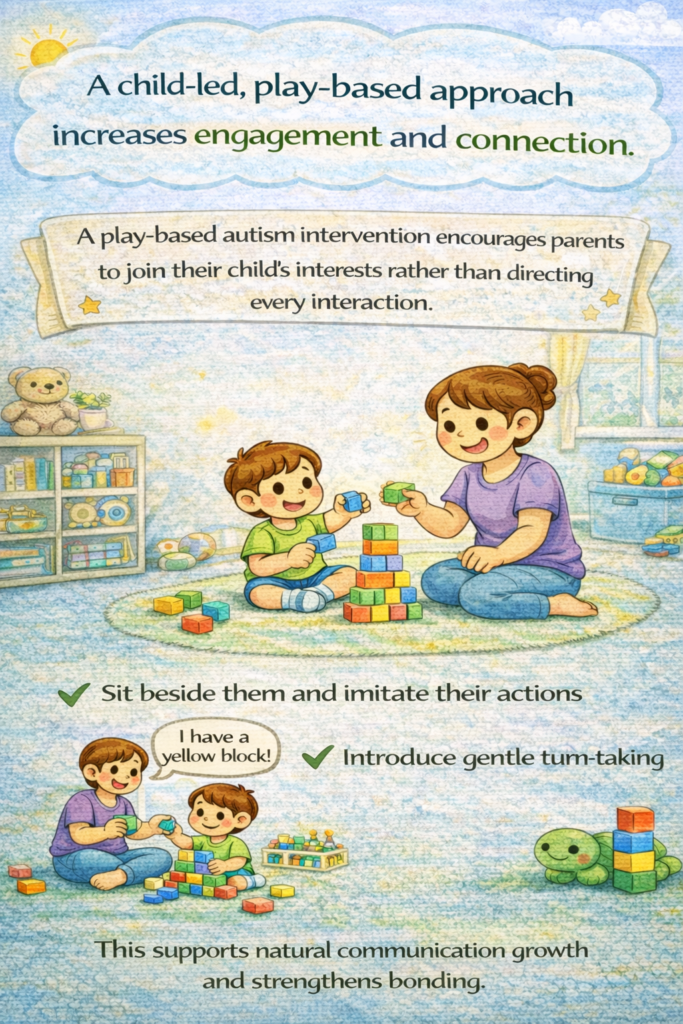
Following Your Child’s Lead Through Play
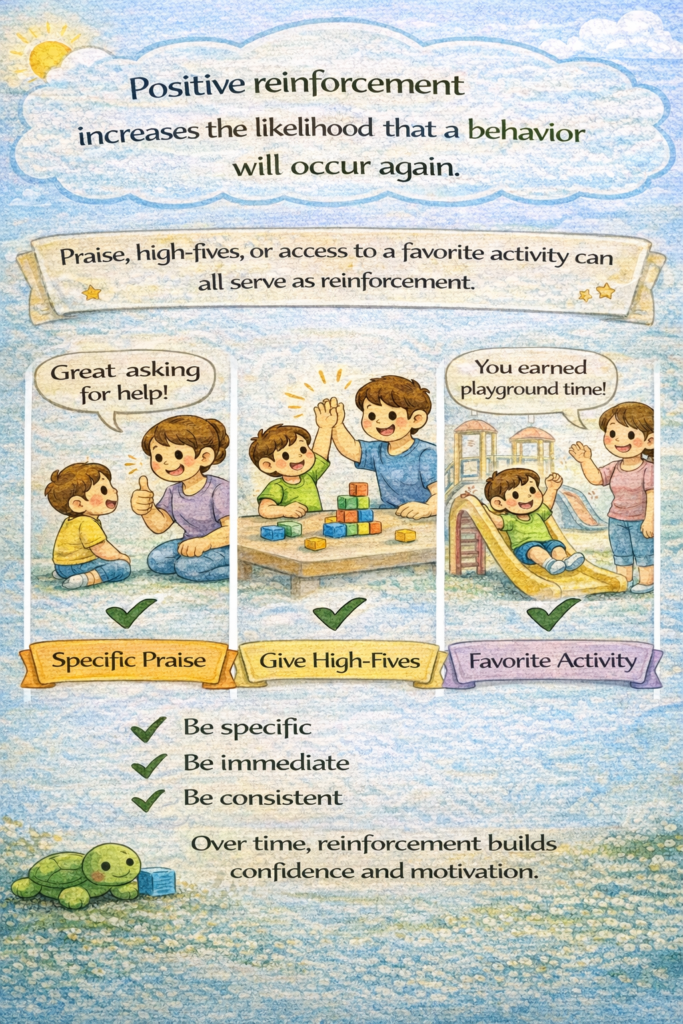
Using Positive Reinforcement Effectively
Play-Based and Naturalistic Interventions at Home
Effective and productive learning does not necessarily need to always be clinical in its approach. At Heartlinks ABA, we’ve witnessed many powerful moments that occur organically throughout a child’s day. The following are a few examples of how to foster them.
Turning Everyday Activities into Learning Opportunities
From developing requesting skills during breakfast and reinforcing body-part labeling during bath time to understanding choice-making when grocery shopping, there are many everyday activities that parents can use as learning opportunities. It’s important to keep in mind that when adults in an autistic child’s life embed teaching moments into daily routines, they foster meaningful ABA therapy at home without the long-structured and formal approach of clinical sessions. These natural learning moments often reflect principles used in NET in ABA, where skill development occurs in authentic environments.
Modeling Language and Communication Throughout the Day
Pouring milk into your cereal bowl and saying “all done,” or zipping up your coat and saying “closed,” might seem like simple phrases and gestures to an adult, but they can help an autistic child naturally build vocabulary. These are simple examples of modeling behavior that strengthen expressive language. When children hear language paired with actions, objects, and routines, they begin to understand how words function in everyday life.
How Parents Can Support Skill Development Across the Day

Rather than using long teaching blocks, incorporating short, frequent practice is often more effective when parents work with children. Additionally, children tend to learn best when their skills are reinforced repeatedly and naturally throughout the day, rather than through extensive, formal, and highly structured sessions.
Embedding Learning into Daily Routines
Often, the most effective teaching opportunities are the small, everyday moments that are part of parent-led autism strategies.
Examples include:
- Encouraging simple requests before offering a child their preferred items (e.g., waiting for the child to gesture “more” before handing them their favorite snack).
- Modeling and practicing turn-taking, whether it’s while playing with balls, with puzzles, or with simple games that strengthen early aba therapy social skills.
- Offering structured choices such as ‘blue coat or red coat” to foster autism communication and encourage the child’s decision-making skills.
Supporting Emotional Regulation at Home
There are a variety of ways to promote emotional regulation at home, including creating calm-down spaces, providing movement breaks, and modeling deep breathing when you feel things are about to get stressful. Co-regulation occurs when a supportive parent or caregiver helps a child strengthen their overall autism emotional regulation skills.
Limits of Parent-Led Intervention and When to Get Help
There are certainly advantages of autism early intervention at home, some children require the additional structure and expertise that a clinical environment can provide. In these situations, working with a qualified BCBA therapist can help determine the next steps for your child.
Signs Your Child May Need Additional Support
- Despite consistent effort, limited progress has been achieved
- A noticeable increase in challenging behaviors
- Minimal communication growth
- Tremendous difficulty with regular routines
How Heartlinks In-Home ABA Therapy Can Support Long-Term Progress
For those families who feel they require more comprehensive support, ABA in-home therapy is the answer. It provides structured, data-driven programming in your child’s natural environment. Additionally, it allows a BCBA therapist to address real-life routines such as play, transitions, bedtime, and mealtimes. Frequently, the range of services offered in in-home autism therapy includes individualized goal-setting, targeted skill-building, and ongoing progress monitoring, all of which are usually guided by a formal behavior intervention plan to ensure consistency.
When paired with regular autism early intervention at home, this coordinated approach helps the child strengthen their communication, emotional regulation, and independence.
If you’re looking for additional information, Heartlinks ABA offers services in the following areas:
Reach out today to learn how personalized support can complement your autism early intervention at home efforts and help your child continue building meaningful, life-long skills.
Autism Early Intervention at Home FAQs
- What is the best early intervention for autism?
The best intervention is individualized, evidence-based, and aligned with the child’s developmental needs. Many effective programs incorporate principles from ABA and naturalistic developmental approaches.
- Can parents do early intervention at home?
Yes. Parents can successfully implement structured routines, reinforcement strategies, visual supports, and communication modeling to promote skill development.
- How early should autism intervention start?
Intervention should begin as soon as developmental concerns appear. Early, regular support is strongly associated with improved long-term outcomes.
- Does insurance typically cover early intervention services for autism, including in-home ABA therapy and developmental support?
Many plans provide ABA coverage insurance for early intervention services when a child has a formal autism diagnosis, and treatment is deemed medically necessary. Coverage details vary by state and policy, so families should verify ABA coverage insurance benefits directly with their provider.