

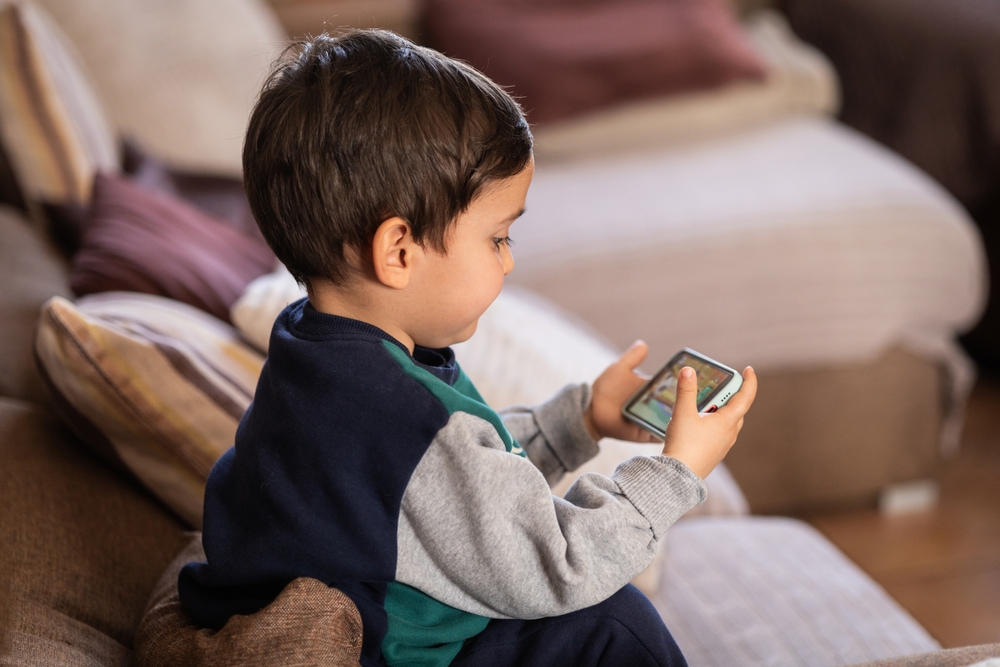
Voice output records, audiobooks, virtual reality headsets, and specialized timers are just some of the many different types of assistive technology for autism available today. These tools and many others like them play a crucial role in helping children on the spectrum develop their autism communication skills, sense of independence, and daily living abilities. Regardless of whether your child uses an AAC device, visual schedules, sensory tools, or a combination of all of the above, these solutions foster meaningful progress when incorporated into your child’s at-home ABA therapy program.
At Heartlinks, our approach to assistive technology for autism goes beyond merely introducing these tools; we can customize, track, and adapt them within your child’s home based autism therapy to ensure measurable outcomes.
Curious to learn how these tools can be incorporated? Then read on to learn about the different types of assistive technology for autism that are available and how to use them.
What is Assistive Technology for Autism?
Assistive technology for autism refers to the tools and devices designed to support your child’s autism communication, learning, sensory or behavior regulation, and independence.
Within in home behavioral therapy programs, these tools are incorporated into daily routines. They are often used in conjunction with NET in ABA, thereby allowing children to practice their skills naturally in authentic situations.
At Heartlinks, all assistive technology recommendations are guided by board-certified behavior analysts (BCBAs), who conduct comprehensive assessments and apply evidence-based ABA principles to ensure that each tool directly supports measurable developmental outcomes. 1
Low-Tech vs. High-Tech Assistive Tools for Autism
Assistive technology for autism generally falls into two categories:
- Low-tech tools: visual schedules, picture cards, token boards
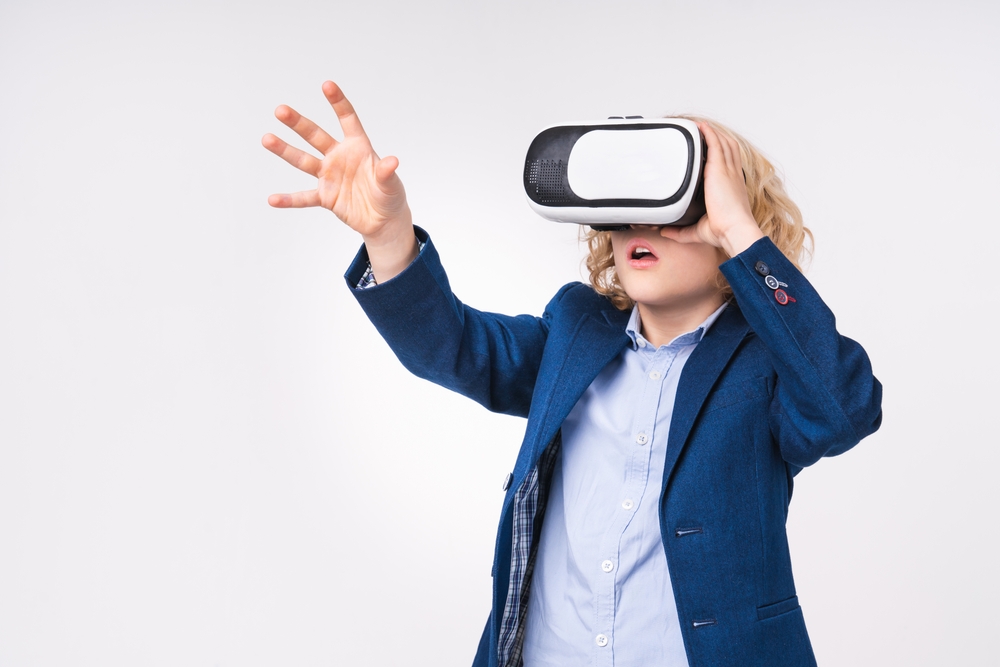
- High-tech tools: AAC devices, speech-generating apps, tablets, VR goggles
These autism support tools are selected and adjusted by clinicians, such as a BCBA therapist, to align with each child’s developmental goals.
Benefits of Assistive Technology for Communication and Daily Life
The correct type of assistive technology for autism can dramatically improve:
- Communication using AAC tools
- Emotional expression and autism emotional regulation
- Daily routines like transitions, dressing, and mealtimes
Every tool, every goal—Heartlinks brings assistive technology and ABA together for real progress. Contact a Heartlinks ABA location nearest you.
Is In-Home ABA with Assistive Technology for Autism Covered the Same as Center-Based?
In the majority of cases, ABA services covered by insurance can include assistive technology for autism. The deciding factor is usually the medical necessity within an ABA treatment plan, not whether services are delivered at home or in a center. If a BCBA therapist determines that specific tools such as AAC devices, visual supports, or behavior-tracking systems are essential to help a child meet clinically defined goals, they’re often eligible for coverage.
Insurance Coverage for Assistive Technology for Autism-In-Home ABA
ABA therapy insurance typically covers assistive technology for autism when it meets particular clinical criteria and documentation requirements. For approval, these tools must be:
- Recommended by a BCBA therapist as part of a comprehensive assessment
- Integrated into a formal ABA treatment plan with clearly defined goals
- Used to support specific outcomes like functional communication training or behavior management.
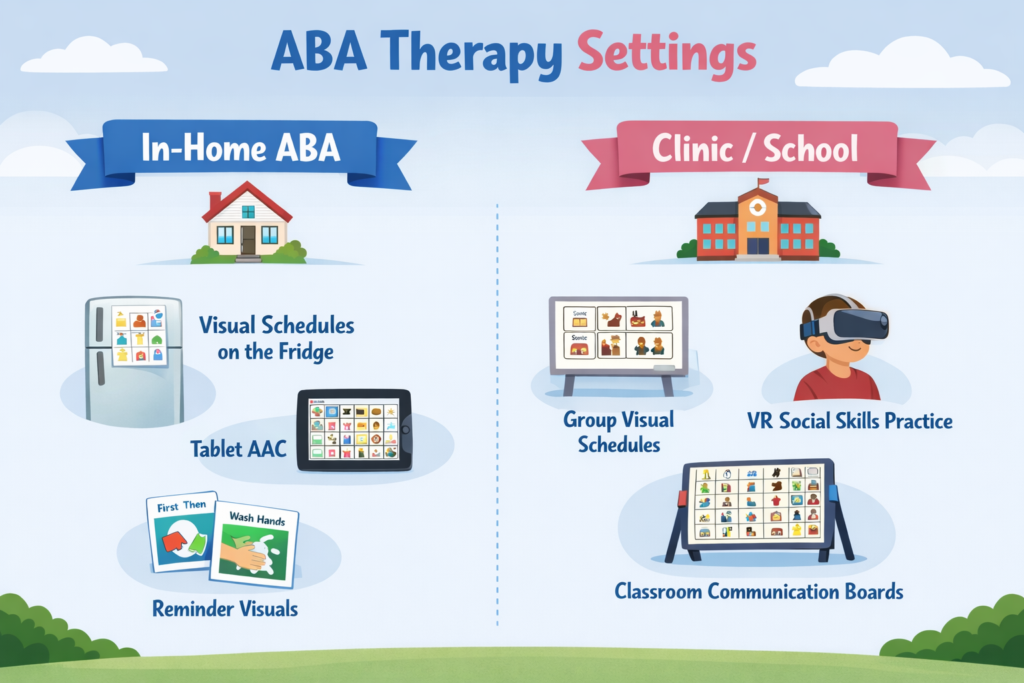
In an in-home setting, this often includes tools such as AAC systems, visual schedules, reinforcement ABA systems, and data-tracking applications, all of which are incorporated into daily routines. These tools are used regularly throughout the day in a home based autism therapy program, thereby allowing therapists to collect real-time data and adjust their strategies based on the child’s response.
It’s critical to understand that not all assistive technology for autism tools are covered equally. While many supports are included under the ABA service billing, certain devices, particularly high-tech equipment, may fall under separate categories, such as durable medical equipment (DME), or require additional authorization.
By working directly with an ABA provider who’s experienced in navigating insurance, like Heartlinks, you can help ensure that all the tools your child uses are properly documented, justified, and aligned with payer requirements to maximize ABA medical insurance coverage and shorten delays.
Find out if your plan includes in-home ABA with assistive tech — get matched with insurance that covers ABA today.
Effectiveness of In-Home ABA Therapy with Assistive Technology for Autism
Assistive technology for autism is most effective when used consistently in the environments where a child naturally learns, communicates, and plays. In-home ABA therapy creates the perfect setting for this consistency, thereby permitting tools such as AAC devices, visual supports, and reinforcement ABA systems to be incorporated into everyday routines rather than isolated clinical sessions.
For example, research indicates that many families report that when AAC devices are introduced during real-life routines such as mealtime or play, children begin initiating requests independently within weeks, demonstrating how consistent, in-context use accelerates functional communication.2
At Heartlinks, assistive technology is not used in isolation; it is directly tied to individualized, measurable treatment goals. We maintain a comprehensive goal bank that BCBA therapist can use to import and tailor objectives based on each child’s needs, including goals related to AAC device use.
For example, a goal may include: the client will initiate use of an AAC device by tacting preferred items by selecting the corresponding AAC button. This structured, goal-driven approach ensures that every tool introduced supports meaningful communication outcomes and measurable progress over time.
In-home ABA therapy with assistive technology for autism also enables therapists to implement behavior-reduction ABA strategies in real time and address these challenges when they arise during daily activities such as mealtimes, transitions, or play. In this type of immediate, context-based situation, any intervention by a certified ABA therapist helps an autistic child replace challenging behavior with functional communication and autism coping skills, using assistive technology for autism as ongoing support.
Home vs. School: ABA therapy with assistive technology for autism
Home-based ABA therapy is perfect for fostering your child’s daily living skills and routine-building, with high family involvement. Meanwhile, a school-based setting is perfect for encouraging social skills ABA therapy, learning how to interact with friends, and academic support. Additionally, a school setting will provide your child with broader access to assistive tech. for autism.
Your child’s potential is waiting—see how assistive tech in ABA makes a difference. Connect with a BCBA therapist from Heartlinks today.
Heartlinks ABA: Proven Effectiveness of in-home therapy to support assistive technology for autism
At Heartlinks, a child’s success with assistive technology for autism depends on whether it’s applied consistently, across the different environments where they learn and play daily. We are dedicated to fully incorporating the tools that each client uses, whether that’s an AAC device, a visual schedule, or various sensory supports.
This approach allows BCBA therapists to continuously evaluate how well each tool is working, make real-time adjustments, and ensure that your child’s progress is measurable. So, whether your child’s goal is to improve their communication, learn about autism emotional strategies, or increase their independence, assistive technology for autism can easily become an integral part of their daily routine, helping them apply newly learned skills naturally and consistently.
With locations in several regions of the country, including ABA Charlotte, NC; ABA therapy New Jersey; and ABA therapy Atlanta, GA, your child can receive age-appropriate care that’s been customized to their unique needs. It’s this wide reach, combined with our highly trained therapists, that enables our clients and families to benefit from our structured, data-driven programs.
The effect of this model is evident in our families’ experiences. As one parent, Ashley Washington shares:
“My daughter has improved tremendously at Heartlinks. Her therapist is such a blessing to us. I love the positivity and dedication of the people who are a part of Heartlinks. Great teamwork!”
It’s this kind of positive feedback that underlines what sets Heartlinks apart from other ABA providers. It’s our clinical expertise, compassionate care, and strategic use of assistive technology for autism that produce lasting results for our young clients.
Schedule your in-home ABA consultation with Heartlinks today.
Resources
- Behavior Analyst Certification Board. Behavior Analyst Certification Board. https://www.bacb.com/
- Ganz, J. B., Earles-Vollrath, T. L., Heath, A. K., Parker, R. I., Rispoli, M. J., & Duran, J. B. (2012). A meta-analysis of single-case research studies on aided AAC systems with individuals with autism spectrum disorders. Journal of Autism and Developmental Disorders, 42(1), 60–74. https://doi.org/10.1007/s10803-011-1212-2
FAQs: Assistive Technology for Autism: What you need to know
What are the benefits of assistive technology for autism in ABA therapy at home?
Assistive technology for autism enhances home ABA sessions by improving communication and sensory seeking regulation, making therapy more effective for kids.
Does insurance cover assistive technology for autism in home-based ABA therapy?
Many ABA therapy insurance plans cover assistive technology for autism alongside in-home ABA, but check specifics for devices like AAC tools—often bundled as therapy aids.
Is in-home ABA therapy with assistive technology for autism covered the same as center-based ABA Therapy?
ABA therapy insurance coverage parity exists in most states, with assistive technology for autism treated equally, whether at home or centers, per the 2026 guidelines.
Is in-home ABA therapy with assistive technology for autism effective?
Yes—pairing assistive technology for autism boosts outcomes like independence, with studies showing faster skill gains in familiar home settings.
Is ABA therapy with assistive technology for autism better at home or school?
Home often excels for personalized use of assistive technology for autism, while school suits social practice; choose based on goals.
What to expect with in-home ABA using assistive technology for autism?
Expect hands-on sessions that integrate assistive technology, such as prompting apps, to enable tailored progress tracking.
Can you get ABA therapy with assistive technology for autism at home?
Absolutely—parents access certified providers who incorporate assistive technology for autism seamlessly into home routines.
How to do ABA therapy for autism at home with assistive technology?
Start with the guidance from a BCBA therapist: Use low-tech visuals or high-tech apps as assistive technology for autism to reinforce behaviors daily.
Why is ABA therapy with assistive technology for autism effective?
It combines evidence-based ABA with assistive technology for autism for holistic gains in communication, behavior, and life skills.