

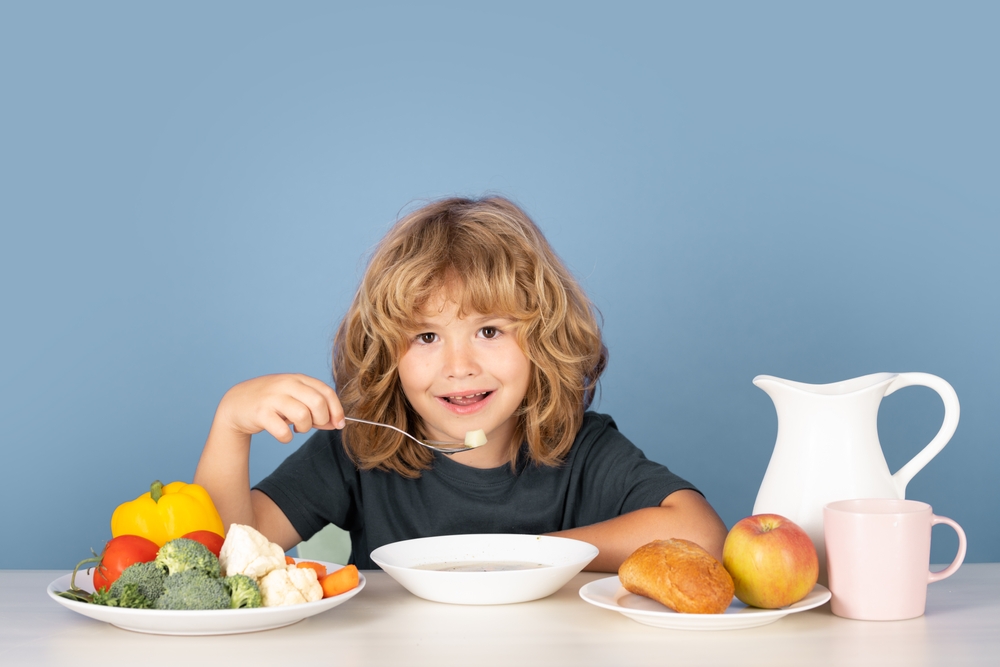
Autism foods refer to the types of nourishment that support children on the autism spectrum. This is accomplished by meeting their nutritional needs while also taking into consideration their sensory needs or preferences, and they’re often most effective when paired with structured support like ABA therapy. Together, autism foods and ABA therapy help children build healthier eating habits in a way that feels manageable and sustainable. These food choices matter because autism and nutrition are closely connected to behavior, focus, digestion, and a child’s overall well-being, including areas such as autism emotional regulation and autism communication.
Most families start to focus on diet when they notice challenges with mealtime routines, restricted food choices, or changes in energy and mood. The goal is not to follow a strict diet. Though this guide focuses on what to include and what to limit, it’s also designed to highlight how ABA therapy can play an important role in helping children gradually expand their diet in a supportive, structured way.
Rather than forcing change, ABA therapy helps children become more comfortable with new foods over time, using structured approaches grounded in applied behavior analysis. This approach is especially helpful for picky eating, as it focuses on building positive associations with new foods through structured, positive reinforcement strategies.
For many families, this type of support leads to meaningful, everyday progress. As a parent, Shanytah B. says:
“Ever since I found Heartlinks to work with my autistic daughter, my family and I have seen a tremendous change in her everyday life. It’s been such a huge difference in what she can do now compared to before. My daughter has a wonderful BCBA who comes to our home and an amazing BT daily. They are great with her. She really looks forward to seeing them come. They really work with your child, getting to know and understand their different emotions, behaviors, wants, and needs. I truly recommend Links ABA Therapy.”
If your child is already experiencing difficulties related to food aversion in autism, additional behavioral strategies may be needed alongside these nutritional recommendations.
Why Autism Foods Matter: The Connection Between Diet and Autism
When parents start researching autism foods, one of the first questions that arises is how diet actually impacts their child’s daily life. The correlation between autism and nutrition goes beyond physical health. It often influences behavioral focus and autistic emotional regulation.
Many autistic children experience differences in how they process sensory input. For some, this includes taste, texture, smell, and even food temperature. It’s these sensitivities that are often closely linked to a sensory processing disorder and can directly affect what a child is willing or able to eat, especially when related to sensory seeking behaviors.
How nutrition affects behavior, focus, and gut health in autistic children
Nutrition plays a critical role in brain function and gut health. Emerging research continues to explore how gut health and brain function are closely linked in autism, with evidence linking differences in the microbiome to behavior and development 1.
Why are so many autistic children selective eaters?
Selective eating is extremely common in children on the spectrum. It goes beyond picky eating and is often connected to broader patterns like repetitive and restrictive behaviors and stimming behaviors. Many children rely on familiar foods because they feel predictable and safe. This is why expanding a child’s diet requires both nutritional understanding and behavioral support.
If your child’s eating habits feel limited or stressful, you’re not alone. The Heartlinks team uses personalized ABA strategies to help children build comfort with new foods step by step. Contact Heartlinks ABA today to learn how we can support your child’s progress.
The Best Foods for Autism: What to Include in Your Child’s Diet
When developing a balanced autism diet, the focus should be on variety, nutrient density, and gradual exposure. While every child has unique tastes and preferences, there are several categories widely considered the best foods for autism.
For many families, the difficulty lies not in knowing which foods are healthy, but in consistently including them. Children may prefer a small group of familiar foods, which can often make introducing new options feel overwhelming. This is a case where structure and consistency become important, often supported by approaches such as task analysis, ABA, and gradual exposure strategies rooted in operant behavior ABA.
If your child struggles to try new foods, this may be related to food aversion in autism, which can directly affect how new foods are introduced.
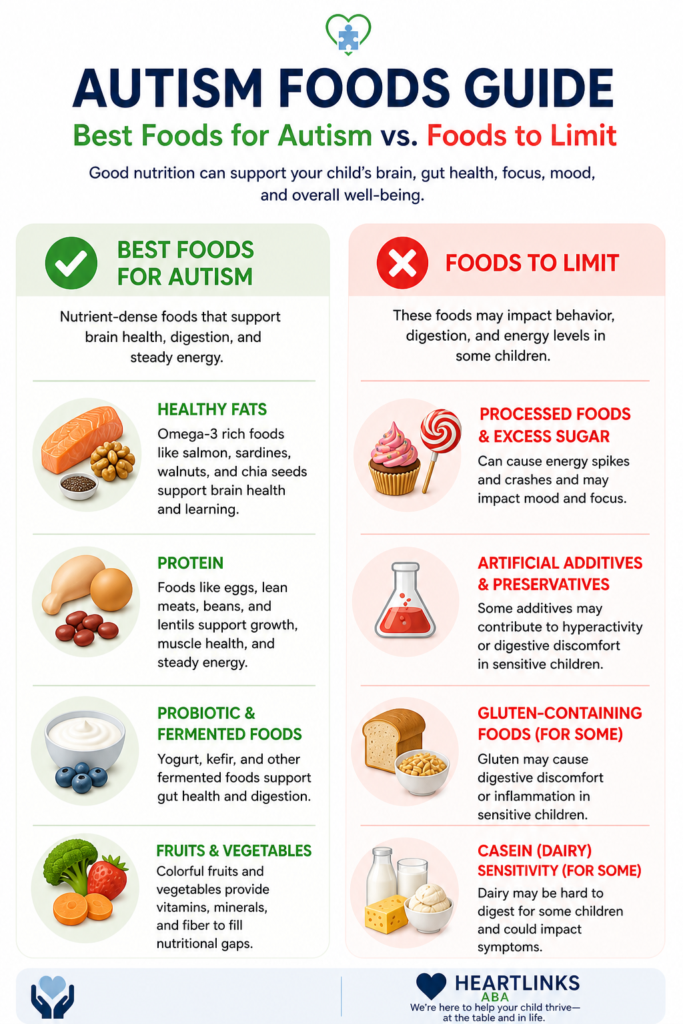
Omega-3 Rich Foods for Brain Health (Salmon, Sardines, Walnuts, Chia Seeds)
Omega-3 fatty acids support brain development and a child’s cognitive function. These healthy fats are commonly found in foods like salmon, sardines, walnuts, and chia seeds. For children who do not enjoy eating fish, options such as ground flaxseed or fortified foods can offer similar benefits. Even small amounts added consistently can support overall development.
Protein Sources That Support Growth and Energy (Eggs, Lean Meats, and Beans)
Protein is crucial for a child’s growth, muscle development, and the maintenance of stable energy levels. Including a mix of protein sources such as eggs, chicken, turkey, beans, lentils, and tofu can help support your child’s daily protein intake.
Probiotic and Fermented Foods for Gut Health (Yogurt, Kefir)
Gut health is a crucial part of overall wellness, particularly when examining the connection between digestion and behavior. Probiotic-rich foods like yogurt, kefir, and other fermented options may help support a balanced gut microbiome. A healthy gut can support improved digestion and overall comfort, which can positively affect a child’s willingness to engage in mealtime routines. For parents looking to improve their understanding of this connection, authoritative resources such as Autism Speaks’ guidance on autism nutrition provide helpful, research-informed insights into how diet can support children on the spectrum2.
Fruits, Vegetables, and Vitamins that Fill Nutritional Gaps
Fruits and vegetables help support your child’s nutrition by:
- Providing essential vitamins, minerals, and fiber for digestion and immune health
- Filling nutritional gaps in limited or selective diets
- Supporting gradual exposure to new textures and flavors
- Offering flexible, nutrient-dense options like berries, bananas, carrots, spinach, and sweet potatoes
- Encouraging progress over perfection, where small steps toward variety make a meaningful impact
Knowing which foods to include is only part of the process. For many families, the right support is life-changing. As parent, Olivia C. shared:
“My son has autism, and when he first started therapy, he didn’t speak at all. Now, he’s made incredible progress and can communicate much better. Even his school has shared how surprised they are by how far he’s come. The team has been supportive, kind, and always there to help with my concerns.”
If your child struggles to try new foods, structured ABA support can help turn these recommendations into real-life progress. Reach out to Heartlinks ABA to get started with a plan tailored to your child.
Autism Foods Guide
Foods to Avoid or Limit for Children with Autism
Rather than focusing on strict elimination, it’s more helpful to think in terms of foods to limit when considering autism.
Processed Foods, Artificial Additives, and Excess Sugar
Highly processed foods can sometimes contribute to fluctuations in energy and behavior. Reducing added sugars and artificial ingredients may help promote more stable routines.
Gluten and Casein: What Parents Should Know
Some families explore reducing gluten or dairy. While results vary, any dietary changes should be discussed with a healthcare professional to ensure nutritional balance.
Understanding Autism Safe Foods and Why Predictability Matters
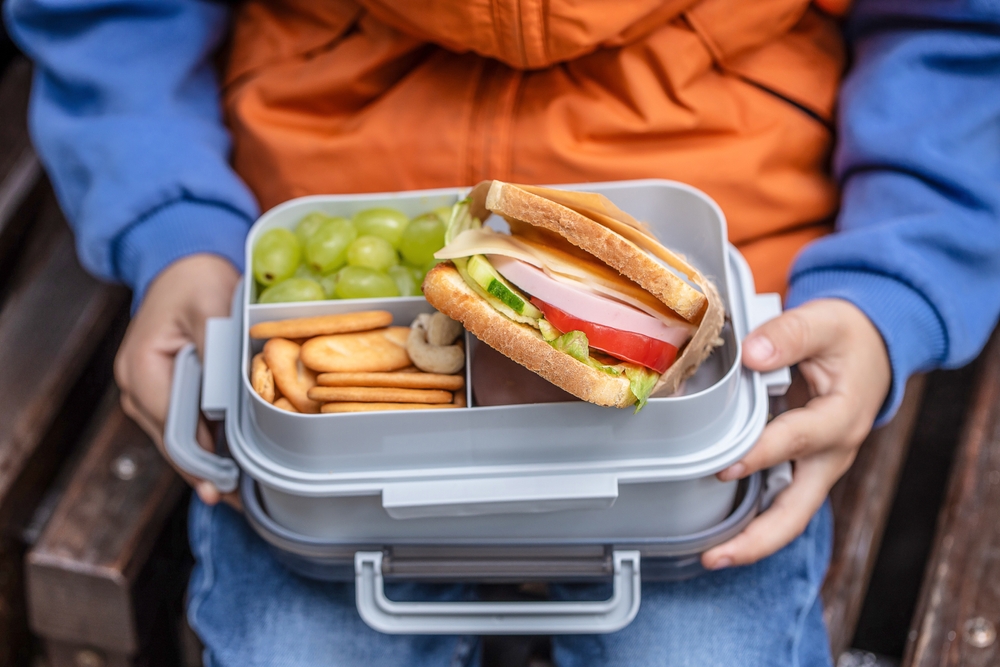
Autism safe foods are what many children on the spectrum rely on. These are foods that feel familiar, consistent, and manageable from a sensory perspective. It’s this preference for predictability that is often directly linked to sensory-seeking behaviors, in which children seek comfort in familiar routines and experiences, especially when navigating their sensory needs and emotional comfort. Safe foods are not a problem; they’re a strong starting point. However, the goal is to build flexibility while gently respecting your child’s comfort level.
How ABA therapy helps autistic children expand their diet
ABA therapy can play a critical role in helping parents or caregivers and their autistic children expand their menu of autism foods. A BCBA therapist may use structured techniques like ABA shaping, and or modeling ABA to build comfort and confidence.
These strategies are often part of broader ABA programs for autism and can be implemented through ABA in-home therapy or clinic-based services.
Using Gradual Exposure and Positive Reinforcement to Introduce New Autism Foods
By incorporating techniques such as ABA shaping, therapists can gradually introduce new foods. With each success, positive reinforcement ABA is used to help children on the spectrum build confidence over time.
Building Mealtime Routines that Reduce Stress
Structured routines help reduce anxiety around meals in people with autism and are part of effective autism regulation strategies and calming techniques for autism. Predictability enables children to approach new foods with less resistance.
How Heartlinks ABA Supports Families with Nutrition and Eating Goals
Proper nutrition begins with the right support. If you want help expanding your child’s diet, the team at Heartlinks is ready to help. Reach out today to learn how we can create a customized plan that supports both your child’s nutritional needs and independence.
With the right combination of nutritional guidance and ABA-based support, meaningful progress is possible both at the table and in everyday life.
Heartlinks proudly serves families in multiple locations, including the following:
- ABA Charlotte NC
- ABA therapy New Jersey
- ABA therapy Atlanta, GA
- ABA therapy Indianapolis
- ABA therapy Baltimore, MD
If your child’s eating challenges are making daily routines more difficult, contact Heartlinks ABA today to help build balance and support long-term success.
Frequently Asked Questions about Autism Foods
Which foods are good for a child with autism?
The best foods for autism include nutrient-dense options such as omega-3-rich fish, lean proteins, vegetables, and fruits.
What foods should autistic children avoid?
Many families choose to limit processed foods, excess sugar, and artificial additives. Dietary adjustments should always be customized and checked with your child’s medical professional.
What is the best diet for autism?
There is no single diet that works for every child. A balanced, flexible approach that focuses on nutrition and gradual expansion of foods is most effective.
Can ABA therapy help with picky eating in autism?
Yes. ABA therapy can certainly help with picky eating by guiding children in slowly incorporating new foods into their diets through structured, supportive strategies that build confidence and reduce stress. For more information on picky eating, contact Heartlinks today.
Do autism safe foods need to follow a specific diet plan?
No! Autism safe foods are merely a starting point. The goal is to expand variety over time while maintaining comfort.
What vitamins are most important for autistic children?
Common nutrients of focus include omega-3s, vitamin D, and probiotics, but needs can vary by child.
Good nutrition starts with the right support. If you want help expanding your child’s diet, the Heartlinks ABA team is ready to help. Contact Heartlinks ABA today.
Resources
1. National Institutes of Health. “Gut Microbiota and Autism Spectrum Disorder.” PubMed Central. Retrieved from https://pmc.ncbi.nlm.nih.gov/articles/PMC12832469/
2. Autism Speaks. Nutrition and Autism. Retrieved from https://www.autismspeaks.org/autism-nutrition