


Imagine hugging your autistic child every 15 minutes during the day, or providing them with regularly scheduled sensory breaks? In the world of Applied Behavior Analysis (ABA) therapy, this approach is known as non contingent reinforcement, and it is one of the key tools therapists use to support emotional regulation and reduce disruptive behavior.
The goal of non contingent reinforcement is to strengthen socially acceptable behaviors by reducing your child’s motivation to engage in them while promoting positive ones.
The following blog explains the nature of noncontingent reinforcement, how it works, and the steps you can take to implement it effectively.
What Non Contingent Reinforcement Means
Learn more about the foundations of ABA therapy and how reinforcement strategies fit into ethical behavior support.
Defining Non Contingent Reinforcement in Simple Terms
Whether it’s attention, scheduled breaks, or access to their preferred activity, non contingent reinforcement is the act of reinforcing without requiring a specific behavior first. Instead, reinforcement is delivered on a time-based schedule rather than contingent on the child’s behavior in the moment.
Within the realm of reinforcement in ABA therapy, this approach is used to prevent the perpetuation of problem behaviors by meeting a child’s needs proactively, rather than responding only when and if they escalate. This strategy is commonly used in non-contingent reinforcement ABA programs that are focused on prevention and emotional safety.
What does ‘independent behavior’ mean?
Within the therapy world, you’ll see a lot of professionals use the term ‘independent behavior.’ To clarify, this doesn’t mean removing the expectations you had for your child or ignoring their unsafe actions. In simpler terms, it means not linking reinforcement directly to your child’s behavioral compliance, performance, or behavior reduction ABA in that situation.
As an example, you may regularly check in with your child every 10 minutes, regardless of whether they’re sharing their toys or using an ‘inside voice.’ It’s this consistency that will help foster emotional regulation and help them reduce their anxiety around demands, transitions, and attention-seeking.
How Non Contingent Reinforcement Works in ABA Therapy
The primary approach to non contingent reinforcement is to sever the association between the problem behavior and the reinforcement. By doing so, the child will no longer associate the less socially acceptable behavior with receiving the reinforcement.
Scheduled Reinforcement and Proactive Support
Non contingent reinforcement ABA is successful with children on the spectrum because it delivers encouragement at fixed or variable time intervals. These schedules are selected based on a therapist’s assessment of your child and the function of the child’s behavior.
This proactive approach can help reduce the likelihood that your child’s challenging behavior will occur because the motivating need, which is often attention or sensory input, is already being met.
Fixed-Time vs. Variable-Time Reinforcement Schedules
- Fixed-time schedules are reinforced at regular and predictable intervals (i.e., every 30 minutes)
- Variable-time schedules allow reinforcement at varied intervals, but around an average interval.
Whichever schedule you choose in non contingent reinforcement plans, understand that either one will be most attractive depending on your child’s needs and ability to handle predictability.
Why Non Contingent Reinforcement Does Not Require A Child’s Response
Non-contingent reinforcement does not require a child to request or comply to perform a skill. This makes it particularly helpful during early intervention, high-stress situations, or periods of emotional dysregulation.
Why NCR Reduces Attention-Seeking Behavior
Frequently, challenging behavior is a signal of unmet needs rather than defiance. In cases of attention seeking behavior autism, children with autism may learn that crying, yelling, or disruptive actions reliably result in adult attention.
When attention is delivered freely and predictably, non contingent reinforcement can diminish a child’s need to use disruptive behavior to get their needs met.
Understanding Motivation and Reinforcement
Often, it’s a child’s unmet needs rather than autistic defiance that result in challenging behaviors. In cases of attention-seeking behavior autism, children with autism may learn that crying, yelling, or other disruptive actions reliably produce attention.
By providing attention freely and consistently, non contingent reinforcement can alter.
Meeting Attention Needs Before Behavior Escalates
If an autistic child no longer has to ‘work’ for your attention, they no longer need to rely on disruptive behavior to get it. For a greater understanding, families may want to explore how non-contingent reinforcement for attention-seeking behavior is used during high-stimulation periods such as holidays or transitions.
How NCR Lowers Stress and Reduces Problem Behaviors
Children will eventually experience less emotional pressure when they have regular access to attention and support.
Get help reducing challenging behaviors.
Examples of Non Contingent Reinforcement
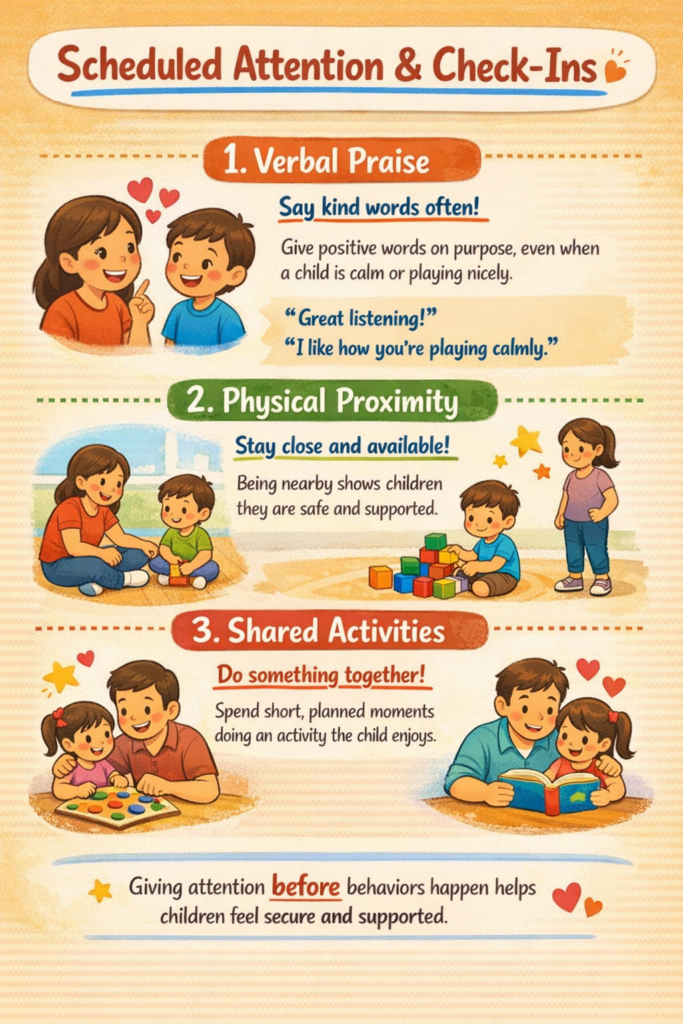
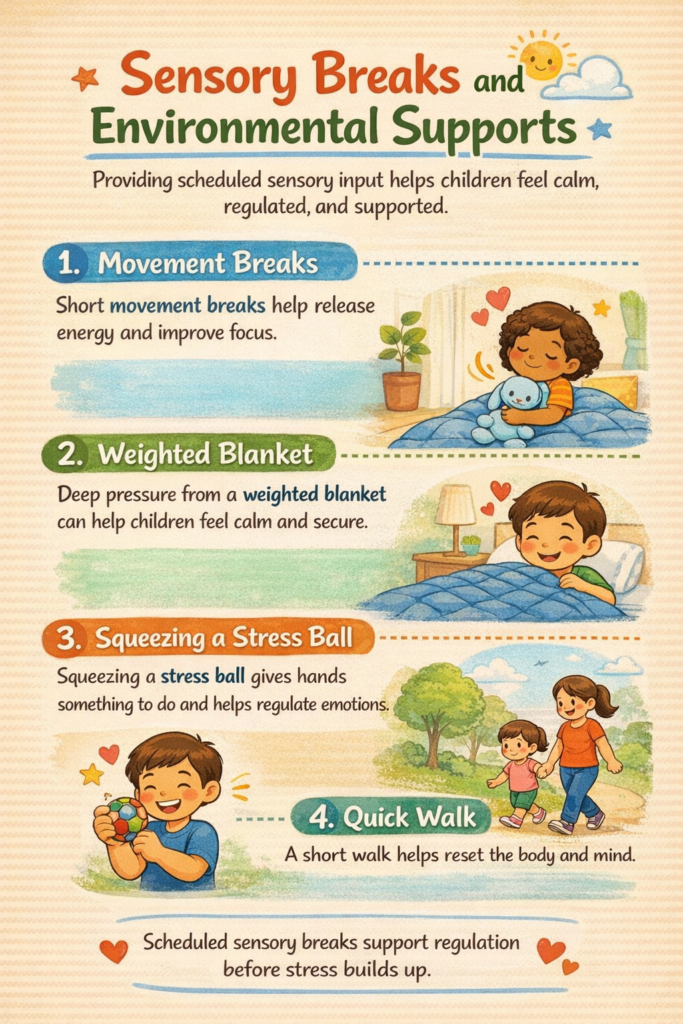
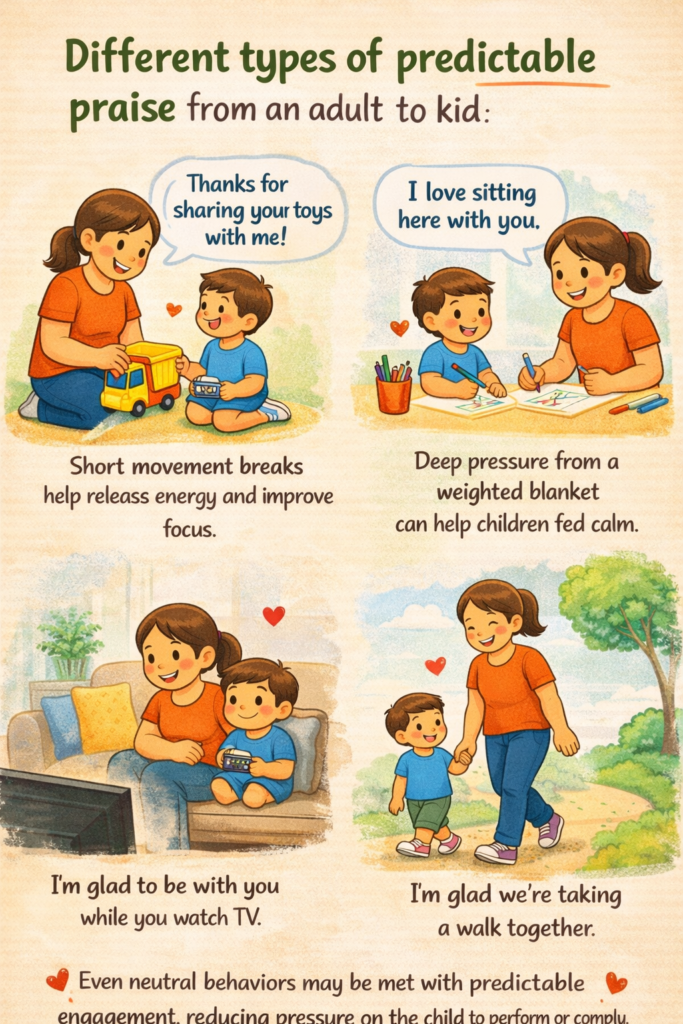
For children with sensory seeking needs or communication challenges, common non contingent reinforcement examples include the following.
Scheduled Attention and Check-Ins
Sensory Breaks and Environmental Supports
Predictable Praise and Adult Engagement
Access to Preferred Activities at Set Times

These strategies also support autism communication by reducing frustration and increasing opportunities for connection.
Connect with Heartlinks to learn more about ABA strategies, and contact us.
Non Contingent vs Contingent Reinforcement

Both strategies fall under the umbrella of ABA positive reinforcement, but they serve different purposes.
How NCR Differs from Earned Reinforcement
Both types of reinforcement fall under the umbrella of ABA positive reinforcement, yet they serve different purposes. For example, contingent reinforcement requires a behavior to occur before reinforcement is delivered. By comparison, non contingent reinforcement removes this requirement entirely.
When Contingent Reinforcement is More Appropriate
Contingent reinforcement is often used to teach a child new skills once autism emotional regulation and predictability have been effectively established.
Why ABA Therapy Often Uses Both Together
Effective reinforcement in ABA involves combining responsive and proactive strategies. Non contingent reinforcement may fade gradually when a child’s skills develop, and contingent systems are introduced.
When Non Contingent Reinforcement is Most Effective
The following are a few examples of when non contingent reinforcement paired with autism regulation strategies is most effective:
- Attention maintained behaviors-NCR has proven to be particularly effective when behaviors are maintained using a child’s attention as opposed to using access to items or escape.
- Transitions and High Demand Situations-Scheduled reinforcement during instances like transitions can reduce anxiety and refusal behaviors.
- Early Intervention and Skill Building-NCR often creates a supportive learning environment, allowing younger children and early learners to benefit from NCR.
- Using NCR Alongside Assessment and Data-When incorporated into a behavior intervention plan, ABA and guided by a functional assessment, non contingent reinforcement is most effective.
How Heartlinks Uses Non Contingent Reinforcement in ABA Therapy
All non contingent reinforcement strategies are designed and supervised by a qualified BCBA therapist to ensure ethical and customized care.
Creating Individualized Reinforcement
Heartlinks uses carefully designed non contingent reinforcement plans designed and supervised by a qualified BCBA therapist. Each plan is based on the child’s needs, developmental level, and the function of their behavior, often as part of a comprehensive behavior intervention plan ABA. When combined, this ensures that the implemented strategies are both ethical and practical. By intentionally selecting reinforcement schedules, Heartlinks can support your child’s regulation while maintaining clear expectations and structure.
Ethical and Purposeful Use of Reinforcement
Instead of trying to control behavior or suppress a child’s natural ways of expressing their needs, reinforcement is used to support a child’s emotional regulation, communication, and learning. With this in mind, Heartlinks prioritizes the child’s dignity and autonomy, using reinforcement to foster a supportive environment in which children feel safe, understood, and motivated to engage and participate.
Monitoring Progress and Adjusting Schedules
With data being continuously reviewed and collected to monitor your child’s progress, this ensures reinforcement schedules remain appropriate. As skills improve and behaviors stabilize, reinforcement is gradually adjusted to encourage independence while maintaining ongoing emotional support.
Partnering with Parents to Apply NCR at Home
Families play a tremendously important role in the successful outcomes of their children’s therapy. Heartlinks takes the time to coach parents on how to use non contingent reinforcement with ABA therapy at home so that it feels natural and sustainable within daily routines. It’s this type of collaboration that helps to ensure consistency across all environments, including school, at home, and in the greater community. It also helps them build confidence thanks to long-term behavior support.
Find Support with ABA Therapy at Heartlinks
Non contingent reinforcement is most effective when it’s implemented as a part of a larger, comprehensive ABA therapy plan. Heartlinks is proud to partner with families to create ethical and highly specialized ABA strategies that support both your child’s behavior reduction and their emotional well-being.
If you’re navigating attention-seeking behavior, emotional dysregulation in autism, or daily routines that feel overwhelming, you’re not alone. At Heartlinks, our clinicians work together with families to build practical, compassionate plans that support and foster long-term growth at home, school, and throughout the community.
With locations in the following areas:
Overwhelmed by slow therapy progress, endless coordination, and burnout from meltdowns and family resistance? Schedule your personalized ABA consultation today.
Common Non Contingent Reinforcement FAQs
1. What is non contingent reinforcement?
Non contingent reinforcement is one of many ABA techniques where reinforcement is delivered on a schedule, independent of the child’s behavior.
2. Is non contingent reinforcement the same as rewarding bad behavior?
No. Reinforcement is not directly tied to behavior and does not encourage problem behaviors.
3. Can parents use non contingent reinforcement at home?
Yes. With guidance from trained ABA professionals, parents can safely and effectively implement NCR into their home lives.
4. How does non contingent reinforcement fit into ABA therapy?
It is frequently used as a preventive strategy alongside skill-building applied behavior analysis interventions.
5. When should families seek professional ABA support?
If your child’s behaviors persist or interfere with your daily life, that’s when professional guidance is most often needed. Reach out to Heartlinks for a personalized ABA consultation today.