


Applied Behavior Analysis therapy is often hailed as the only treatment for children with autism. Yet, it isn’t the only tool available to parents. Sometimes families start looking for ABA alternatives for various reasons. Maybe it’s because their child’s progress feels slow, their child appears stressed, or parents are just looking for an approach that aligns more closely with their values or their child’s personality.
Regardless of the reason, if you’re curious about ABA alternatives for your child, you’re not alone. Yes, ABA therapy is the most commonly used treatment, but it’s not the only path available to autistic children. Many evidence-based aba therapy alternatives focus on autism communication, play, relationships, and emotional development. Taking a moment to understand your options will help you make informed decisions that can truly support your child.
Research shows that families are often actively exploring additional supports; in fact, among children with autism, as many as 46.4% use an alternative or complementary therapy1 alongside mainstream ABA therapy, reflecting how common it is for parents to seek blended or flexible approaches that better match their child’s needs and values.
Why Families Look for Alternatives to ABA Therapy
When Therapy Doesn’t Feel like the Right Fit
It’s often hard to accept, but even well-designed programs may not meet every child’s needs. While some children flourish in a structured, skill-based environment, others do better with developmental, relationship-focused, or play-based models.
Frequently, families explore ABA alternatives when:
- A child demonstrates signs of stress or autistic anxiety during sessions
- A child’s progress feels heavily compliance-focused.
- A family’s priorities are not reflected in their child’s ABA therapy goals
- The child’s communication style or autonomy isn’t fully honored or respected.
Concerns Parents Frequently Have About ABA
There are times when parents of autistic children try to find ethical alternatives to ABA because they feel they want a therapy that is more neurodiversity affirming. A few of the more regular concerns include:
- A lack of child-led engagement
- An extremely limited focus on the child’s emotional experience
- An overemphasis on behavior reduction ABA.
It’s important to remember that modern ABA practices can vary tremendously in quality and scope. Often, before transitioning to ABA therapy alternatives, a thoughtful conversation between parents and a qualified BCBA therapist can resolve immediate concerns.
What parents should know before exploring ABA Alternatives?
Before deciding on a child’s therapy pathway, parents must understand the foundations of therapy to determine what adjustments are needed.
What ABA is Designed to Do
First and foremost, it’s important to understand what ABA therapy is designed to do. Applied Behavior Analysis was developed to teach socially significant skills to adults and children on the spectrum using evidence-based behavioral principles.
When ABA May Not Meet a Child’s Needs
ABA may not fully meet a child’s needs if:
- Emotionally, the development goals are minimal
- The child requires more sensory-based supports due in part to sensory-seeking behaviors
- Therapy feels adult-directed rather than collaborative
- The family prioritizes relationship-first models
In these cases, exploring aba alternatives does not mean abandoning skill development. The solution is simple: widening your perspective and seeking other options.
Developmental and Relationship-Based ABA Therapy Alternatives
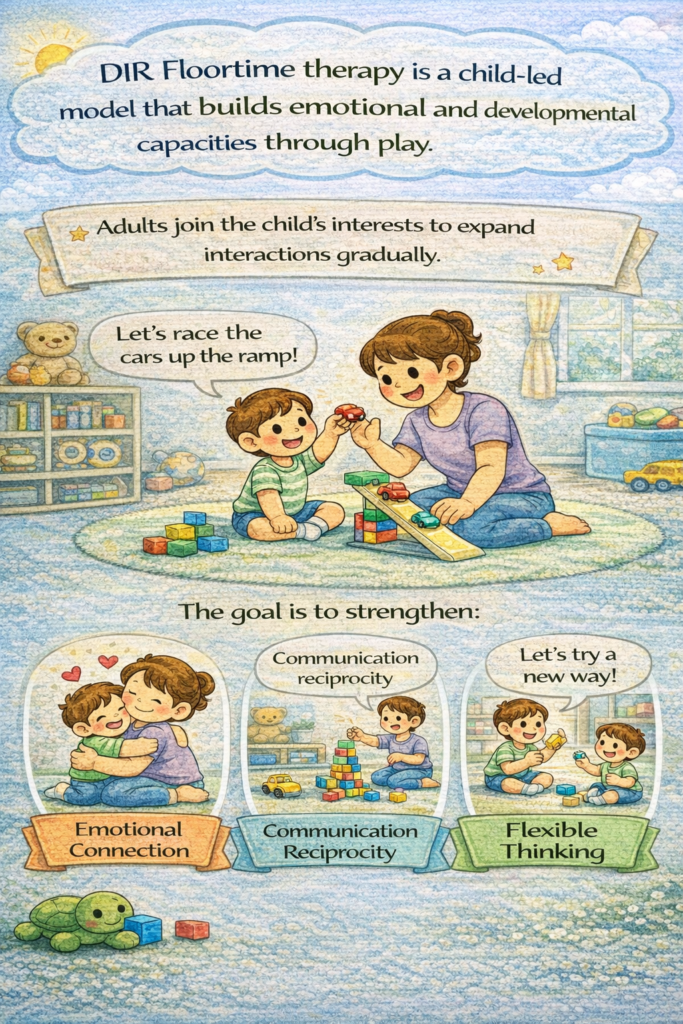
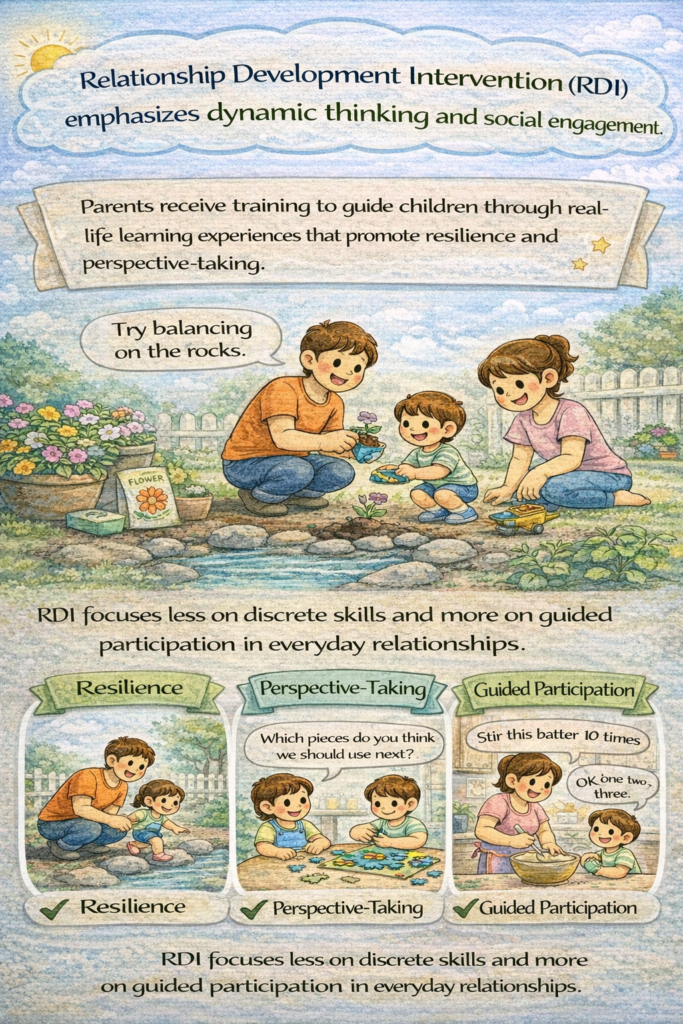
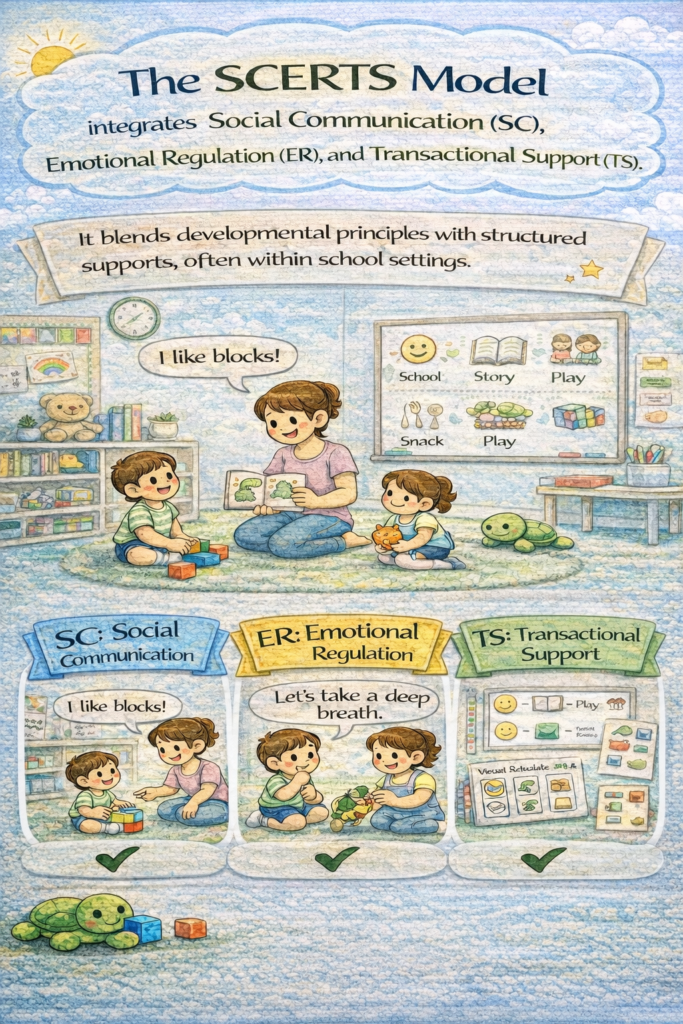
The ABA therapy alternatives focus heavily on connection, emotional growth, and flexible thinking.
DIR Floortime Therapy
Relationship Development Intervention (RDI)
SCERTS Model
Skill Building and Supportive Therapy Options
Considering how diverse and wide-ranging the symptoms of autism can be for children, it makes sense that the types of therapy for autism should also be varied to match a child’s different autistic traits.
Remember, there’s no single best therapy for autism. Rather, the most effective approach will depend on the child. The following are the most common ABA alternatives that have consistently yielded tremendously positive results.
Occupational Therapy for Autism
Occupational therapy for autism at home or in a clinical setting addresses an autistic child’s sensory processing differences, motor coordination, and daily living skills. If your autistic child experiences regular sensory overwhelm, then OT can directly target their ability to regulate and develop functional independence.
Speech and Language Therapy
If your child needs support with expressive and receptive language, word articulation, and pragmatic skills, an appointment with a speech pathologist is recommended. That’s when the benefits of speech therapy become evident, as they can play an integral role in a child’s alternative therapy plan if their family prioritizes autism communication.
This is especially important considering that approximately 60–70% of children with autism experience significant language delays 2, making communication support, such as ABA therapy for speech delay, one of the most common and urgent priorities for families exploring ABA alternatives.
Augmentative and Alternative Communication (AAC)
From picture exchange systems to speech-generative devices, several AAC systems can help empower children with nonverbal autism or those who are minimally speaking to communicate effectively with others. It’s these tools that provide effective ways allowing them to express their needs, preferences, and emotions without becoming frustrated or overwhelmed. Frequently included in broader therapy frameworks, AAC can either complement or replace elements of traditional ABA therapy, depending on the child’s communication abilities.
Play-Based and Neurodiversity-Affirming Approaches

Play-based and neuro-affirming approach regards autism as natural human variations as opposed to deficits that need to be cured. When opting for these therapeutic approaches, the focus is on joy, regulation, and authentic connection, rather than masking symptoms or compliance.
Child-Led and Play-Based Autism Therapies
Rather than directing a child’s every interaction or task, play-based autism therapy follows a young person’s natural interests. You will never see a child being asked to shift their attention to an adult-led goal. Instead, the adult or therapist will join the child in their activity, whether that’s building with blocks, playing with dolls, or drawing. The idea is to gradually increase the child’s interaction through shared experiences with an adult or therapist.
The result is that it often increases engagement, reduces resistance, and strengthens trust. When children feel understood and emotionally safe, they are more likely to try new skills or communicate.
Supporting Communication and Emotional Regulation
Instead of correcting the behavior itself, play-based and neurodiversity-affirming therapies focus on autism emotional regulation strategies and addressing sensory-seeking behaviors. The goal is to understand the “why” behind these behaviors rather than simply correcting them.
By investigating the underlying sensory needs, meaning, communication barriers, or emotional overwhelm, therapists can address a child’s meltdowns, withdrawals, and impulsivity as more than problems to eliminate.
This type of therapy will help children on the spectrum develop long-term coping skills by teaching them to recognize their feelings, request breaks, use calming tools, and access appropriate sensory input. Challenging behaviors often decrease naturally when children feel understood and regulated.
How to Decide What’s Right for Your Child
Learning more about aba alternatives doesn’t necessarily mean that you’re eliminating traditional ABA therapy. You don’t necessarily have to go from black to white. You can find the grey, including creating a modified program guided by a qualified BCBA therapist. This can incorporate greater flexibility, play, and child-led engagement while continuing to teach the essential life skills.
If you are unsure whether to adjust your current plan or explore alternative ABA therapy options, take a moment to speak with our experienced professionals at Heartlinks. Our personalized evaluation can provide clarity. Thanks to our personalized evaluation, we can help you determine whether modifications to your child’s existing ABA therapy, including additional supports such as speech or occupational therapy, may be a better fit for your child’s needs.
Heartlinks ABA provides compassionate, individualized services across multiple communities, including:
If you’re ready to discuss your options, contact Heartlinks ABA today to schedule a consultation and learn how we can support you and your child on your journey.
ABA Alternatives FAQs
- What are ABA Therapy Alternatives?
There are several different types of ABA therapy alternatives, including developmental, relationship-based, speech, occupational, AAC, and play-based approaches, which all prioritize an autistic child’s autonomy, emotional growth, and communication.
- How do I know which therapeutic approach is right for my child?
Every child’s needs are unique. Speaking with a qualified professional at Heartlinks can help you evaluate your child’s strengths, challenges, and goals to determine whether ABA therapy, an alternative approach, or a blended model would provide the most supportive path forward. If you’re unsure where to start, scheduling a consultation can help you explore your options and make an informed decision with confidence.
- What can I do instead of ABA therapy?
ABA alternatives include DIR floortime therapy, RDI, occupational therapy, and other child-led models that focus on relational development.
- When should you stop ABA therapy?
If your child’s current ABA therapy causes distress, their progress has plateaued, or their goals are no longer in alignment with their developmental priorities, these are key indicators that it may be time to transition to ABA alternatives.
- Does insurance cover ABA therapy alternatives?
The simple answer is, it depends. ABA therapy insurance coverage will vary by state and provider. Though many plans primarily cover services associated with an autism diagnosis and considered medically necessary, including ABA, speech, and occupational therapy, at Heartlinks ABA, we always advise checking with your insurer directly to make sure.
Resources
- Jonkman, K. M., Back, E., Staal, W. G., Benard, L., Van der Doelen, D. M., & Begeer, S. (2022). Alternative treatments for autism: Prevalence and predictors. Research in Autism Spectrum Disorders, 98, 102046. https://doi.org/10.1016/j.rasd.2022.102046
- Leaf, J. B., Cihon, J. H., Leaf, R., McEachin, J., Liu, N., Russell, N., Unumb, L., Shapiro, S., & Khosrowshahi, D. (2021). Concerns about ABA-based intervention: An evaluation and recommendations. Journal of Autism and Developmental Disorders, 52(6), 2838–2853. https://doi.org/10.1007/s10803-021-05137-y