


Creating autism-friendly holidays doesn’t mean giving up cherished family traditions. Instead, it means adjusting them so your autistic child can feel safe, supported, and above all, included. For many families, the holiday season brings joy, a sense of connection, and above all, lots of excitement. However, this same time of year can also bring about challenges, including unpredictable schedules, sensory overload, new social expectations, and overwhelming environments.
The following information is designed to bridge the gap between the usual online holiday guides and proper, ABA-informed support. While the majority of AI overviews focus on structure and routines, they often overlook how Applied Behavior Analysis (ABA) can turn these ideas into personalized, daily strategies that help holidays feel manageable. At Heartlinks, our goal is to help parents and caregivers understand why holidays can be stressful for children on the spectrum and how ABA-based approaches can help make them feel calmer, more predictable, and truly enjoyable.
What makes a Holiday “Autism Friendly?”
An autism-friendly holiday emphasizes predictability, sensory comfort, structured choices, and respectful accommodations. Unlike forcing traditions or social expectations on a child with autism, these celebrations are unique in that they meet them where they are and encourage them to celebrate in their own way.
At Heartlinks, we help families use evidence-based ABA therapy to create holiday plans that feel manageable for both the child and the caregiver.
Why can the holidays be stressful for autistic children?
Sure! The holidays can be a joyful time, but they can also be a time full of tremendous stress and carry with it a feeling of overwhelm:
- Disrupted routines (school breaks, late nights, travel, guests)
- Sensory overload (lights, music, crowds, smells, and decorations)
- Increased social expectations (speaking with unfamiliar people, posing for photos)
- Transitions between activities that aren’t part of the child’s daily structure.
It’s these sudden changes that can make even small tasks such as getting dressed, visiting grandma’s house, or eating a meal, much more challenging. It’s important to remember: your child isn’t being difficult. Instead, their nervous system is receiving more information than it can comfortably process.
It’s important to remember you’re not alone. With the proper preparation and evidence-based strategies, your family can absolutely enjoy autism-friendly holidays with much greater ease.
Holiday Planning Tips for Parents of Autistic Children
One of the most effective ways to reduce feelings of overwhelm is by planning. The following holiday planning tips draw from ABA principles to increase predictability and support smooth transitions.
- Use visual schedules to build predictability.
Visual supports are the cornerstone of ABA techniques because they help children understand what’s coming up. Before going out to a holiday event or gathering, try creating a simple storyboard or sequence showing the child:

- Incorporate social stories
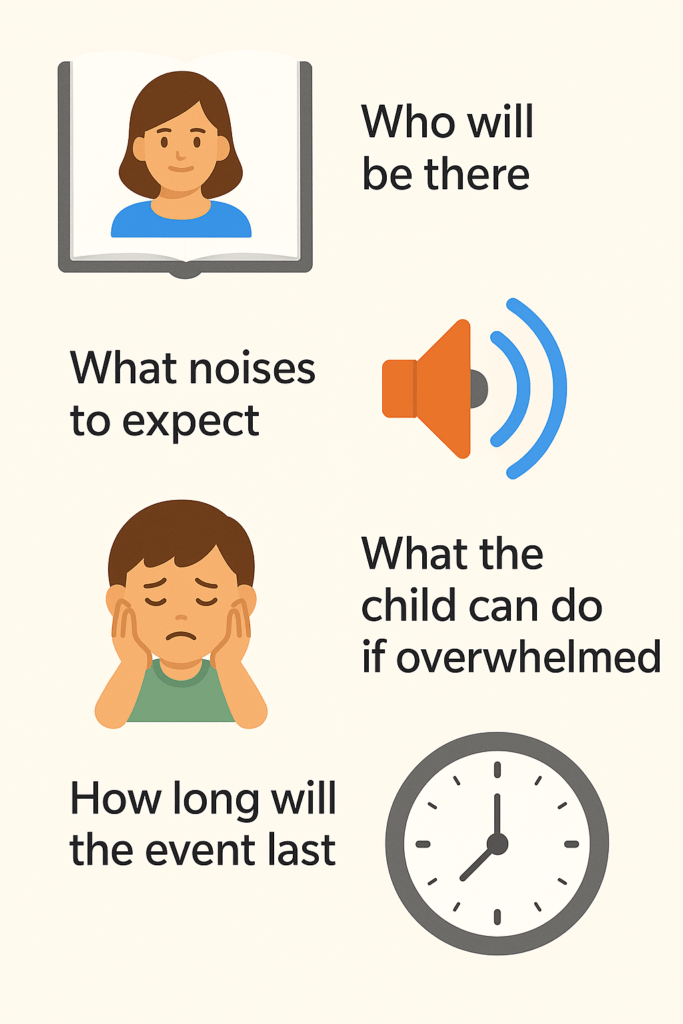
Another tool to reduce anxiety is using a short story to explain what will happen and how your child can respond. Elements to include in the short story could be:
- Use Proactive Reinforcement
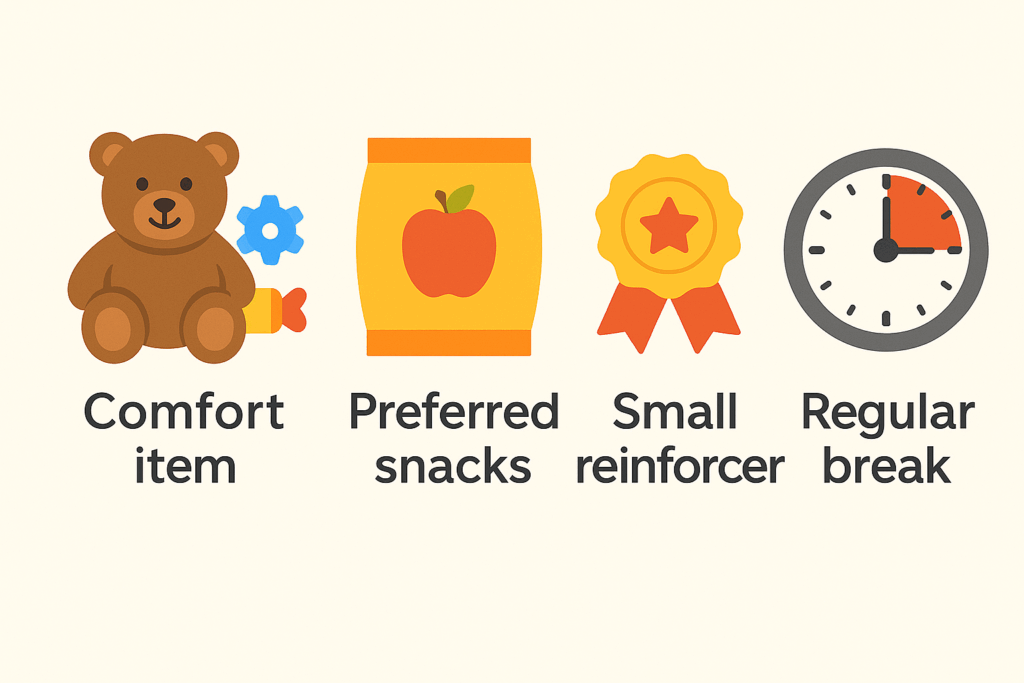
ABA encourages rewarding positive behaviors before stress escalates.
- Create transition plans
During autism-friendly holidays, transitions can be especially tough. Try using:

All of these will help your child shift gears without feeling caught off guard.
Family Holiday Ideas for Children with Autism
Finding family holiday ideas that respect your child’s energy and sensory needs can easily make celebrations more enjoyable. Whether you’re planning at home or visiting loved ones, there are several options to keep things flexible.
1. Host predictable, low-pressure traditions.
You don’t need loud parties or bus outings to make holiday memories. Why not try:
- A quiet ornament-making activity
- Baking simple cookies together
- A “holiday lights drive” while listening to preferred music
- Wrapping gifts in a calm environment
If your child benefits from social practice, social skills therapy can help them prepare for greetings, sharing, or waiting.
2. Set up a comfort zone.
Assign a corner or quiet room at gatherings and in this area, include some of the following items:
- Noise-canceling headphones
- A comfortable seat or weighted blanket
- Fidget toys
- A favorite book or tablet
Of equal importance is letting your child know they can go there anytime they need to calm down or reset.
3. Be flexible with traditions
Autism friendly holidays should never feel like pressure. It’s okay to:
- Open presents slowly throughout the day
- Limit how long you stay and visit somewhere
- Do activities in the order that works best for your child
Explore more ideas with our holidays with autism guide.
Sensory-Friendly Activities for Calm Family Holidays
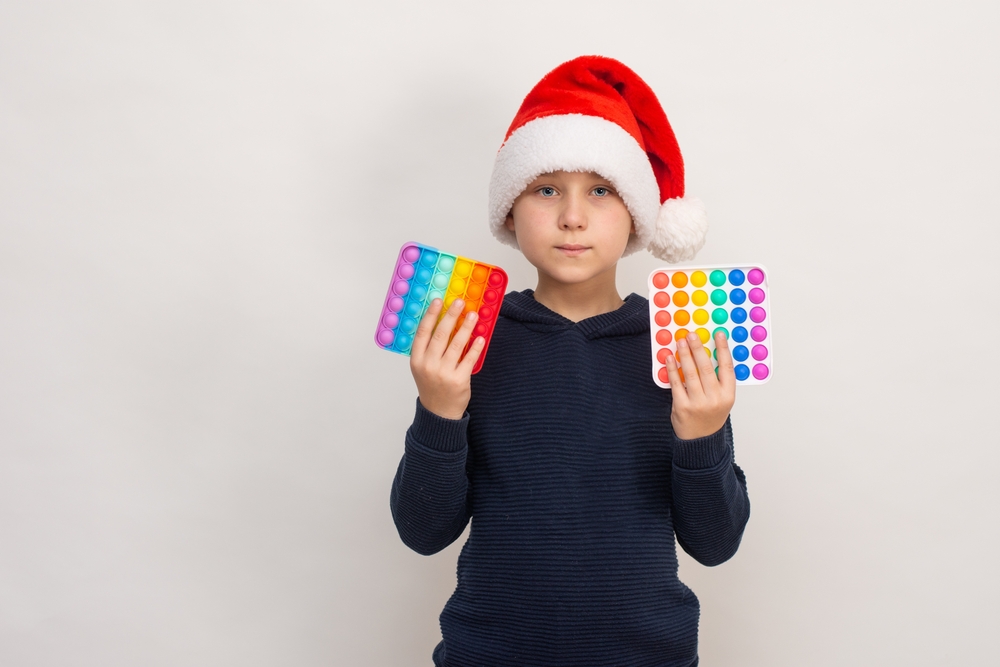
Sensory-seeking activities help children stay regulated while still enjoying holiday fun. These sensory-friendly activities are easy to set up and adapt.
1. Calm craft stations
- Soft clay or Play-Doh
- Simple coloring pages
- Making paper snowflakes
- Painting ornaments with washable, low-odor paints
2. Quiet holiday sensory bins
Try filling bins with:
- Faux snow
- Small holiday figurines
- Jingle bells
- Cotton balls
- pom-poms
Add scoopers or tongs for a fine-motor addition.
3. Movement break activities
Gentle movement helps regulate a child’s energy levels:
- Stretching
- Wall pushes
- Yoga cards
- Slow mini-trampoline jumps
Sensory-seeking behaviors can increase during the holidays. These activities give children a safe, supportive outlet.
With the right tools and preparation, these sensory-friendly activities for calm family holidays can support comfort, participation, and regulation.
How ABA Therapy Supports Holiday Readiness
Autism-friendly holidays become much more manageable thanks to ABA strategies, which help families create routines, rehearse expectations, and build skills in advance of the event. A BCBA therapist can individualize:
- Visual supports
- Reinforcement plans
- Behavior prevention strategies
- Sensory accommodations
- Social practice
- Transition supports
It’s this level of personalization that ensures your holiday plans match your child’s learning style, communication needs, and sensory profile.
Parent Testimonial
It’s this personalized approach that goes beyond paper and is able to transform a child and their family’s life. As one parent, Lupe P. shared:
“My 8-year-old is currently getting ABA services through Heartlink, and she loves it! The therapists are professional, they’re accommodating, and so nice! Since she started ABA, her behavior has improved. The whole team is just an overall joy, and I would recommend any parent who’s not sure about ABA to get their therapy here. They make the process so simple!
Make this Holiday Season Joyful with Heartlinks ABA
If your family is preparing for holiday gatherings, travel, or seasonal traditions, the proper support can create calmer, more meaningful experiences. Let Heartlinks ABA, which specializes in turning broad advice into individualized, real-world plans that help your child thrive at home, with family, and in the community.
We have built a strong foundation of in-home and center-based support, including ABA Charlotte NC, ABA therapy Lakewood NJ, ABA therapy Indianapolis, and ABA therapy Atlanta, Ga, to meet families wherever they are.
With the proper preparation, support, and partnership, your family can enjoy a calm, joyful celebration because every child deserves a holiday season filled with comfort, confidence, and connection with others.
FAQs: Autism-Friendly Holiday Support and ABA Therapy
- What’s the best way to help my autistic child get ready for holiday events?
There are a variety of tools you can use, including visual schedules, social stories, and small practice sessions at home. To reduce anxiety and increase participation, predictability is always the best approach.
- If my child becomes overwhelmed at a gathering, what should I do?
Offer a break in a quiet zone, use calming sensory tools, and validate their feelings. Overwhelm is not misbehavior; instead, it’s communication.
- How do I support communication during the holidays?
Model simple language, offer visual supports, and slow down the pace of interactions. All of this is explained in our autism communication guide.
- Can ABA therapy help with holiday transitions and routines?
Yes! ABA offers a range of structured tools to help children manage changes, build coping strategies, and respond more comfortably during busy seasons.